
How to Know If Your Child Is Guessing in Orton-Gillingham
If your child says words too fast, skips sounds, or seems to read from memory instead of decoding, guessing may be getting in the way. Here is how to spot it and what to do next.
If your child says words too fast, skips sounds, or seems to read from memory instead of decoding, guessing may be getting in the way. Here is how to spot it and what to do next.

If your child is working hard in reading practice but progress feels slow, it can be hard to tell whether Orton-Gillingham is actually helping. This guide shows the early signs to look for so you can spot real progress before it looks dramatic.

If your child was doing fine and then suddenly starts guessing, forgetting, or shutting down, you may be wondering whether to keep going or go back. This guide helps parents tell when an earlier reading skill needs more work and how to revisit it without turning practice into a setback.

If your child gets overwhelmed during reading practice, the issue may not be effort. The lesson may be too hard right now. Here is how to tell and what to change.

If vowel teams keep falling apart during practice, the issue may not be the new pattern itself. Your child may need a few earlier skills to feel solid first.

If your child keeps forgetting common words like said, was, or where, sight word practice may feel frustrating for both of you. This guide shows how to practice Orton-Gillingham sight words at home in a structured, low-stress way that helps tricky words stick.

If your child can read a pattern during practice but freezes when asked to spell it, you may be wondering whether dictation should come next or whether it is too soon. This guide helps you tell if your child is ready for dictation in Orton-Gillingham and how to start in a way that feels manageable.

If your child has learned short vowels and silent e but keeps stumbling on patterns like ai, ee, or oa, vowel teams may be the next skill to teach. This guide shows how to introduce them in a simple, structured way at home.

If your child seems to forget a skill right after learning it, you may wonder whether to repeat the whole lesson or just keep going. This guide helps parents make that call with more confidence.

If your child is doing better with short vowels and magic e but still gets tripped up by new patterns, you may be wondering when vowel teams should come next. This guide helps you tell if your child is ready and what to look for before you move on.

If your child can read short vowel words like cap and kit but gets mixed up by cape and kite, CVCe words may be the next pattern to teach. This guide shows how to introduce them in a simple, structured way at home.

If your child can read closed syllables but gets confused by words like me, he, and baby, open syllables may be the next pattern to teach. This guide shows how to introduce them in a simple, structured way at home.

If your child makes mistakes during reading practice, it can be hard to know when to step in and what to say. This guide shows parents how to correct reading mistakes in Orton-Gillingham practice in a calm, helpful way.

If your child can read simple short vowel words but gets stuck on words like stop, flag, or best, blends may need more direct teaching. This guide shows how to teach blends in Orton-Gillingham at home in a simple, structured way.

If you are using Orton-Gillingham at home and your child still seems stuck, the problem may not be the method. Often, a few small shifts in pacing, review, or text choice can make practice work much better.

If home reading practice keeps ending in frustration, the problem may not be the routine itself. It may be that the practice is simply too long for your child right now.
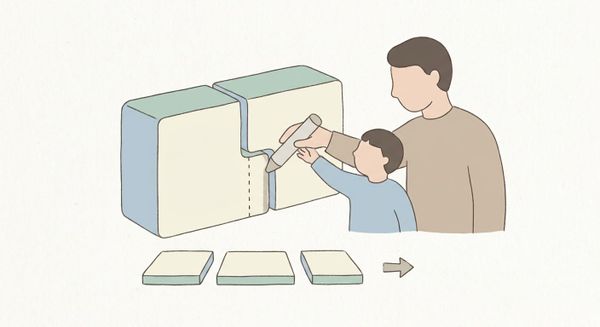
If your child can read short words but falls apart when words get longer, syllable division may be the next step. This guide shows parents how to teach it in a simple, structured way at home.
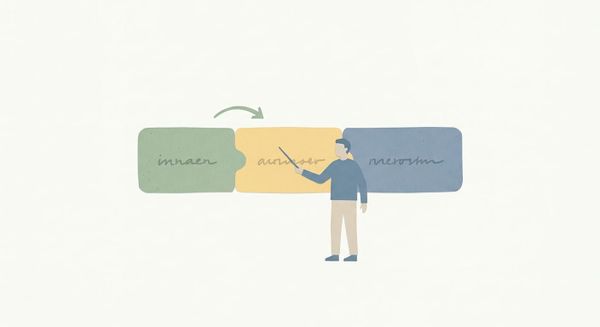
If your child can read short words but gets stuck on longer ones, multisyllable words may be the next big hurdle. This guide shows parents how to teach multisyllable words in Orton-Gillingham with clear, practical steps they can use at home.

If your child learned magic e but now gets confused by words that do not follow the pattern, this guide shows how to teach silent e exceptions without adding overwhelm.

If your child can read short words but gets stuck when words get longer, closed syllables may be the next skill to teach. This guide shows how to introduce them in a simple, structured way at home.

If your child can read short vowels and silent e but gets stuck on words like car, bird, and horn, r controlled vowels may be the next skill to teach. This guide shows how to introduce them in a simple, structured way at home.

If your child forgets a skill they seemed to know last week, you may be wondering how to review Orton-Gillingham lessons at home without starting all the way over. This guide shows what useful review looks like and how to keep it short, clear, and effective.

If your child learns a new reading pattern in practice but falls apart when it shows up in a passage, decodable text may be the missing bridge. This guide shows parents how to use decodable text after an Orton-Gillingham lesson in a simple, low-stress way.

If your child reads short vowel words but gets tripped up by sh, ch, th, or wh, this guide shows how to teach digraphs in Orton-Gillingham in a clear, simple way at home.