How to Know If Your Child Is Ready for Orton-Gillingham Blends
If your child can read some short words but gets stuck when you add blends like stop or flag, it can be hard to know whether the skill is too hard or just new. This guide helps you tell when your child is ready for Orton-Gillingham blends and how to introduce them without adding pressure.

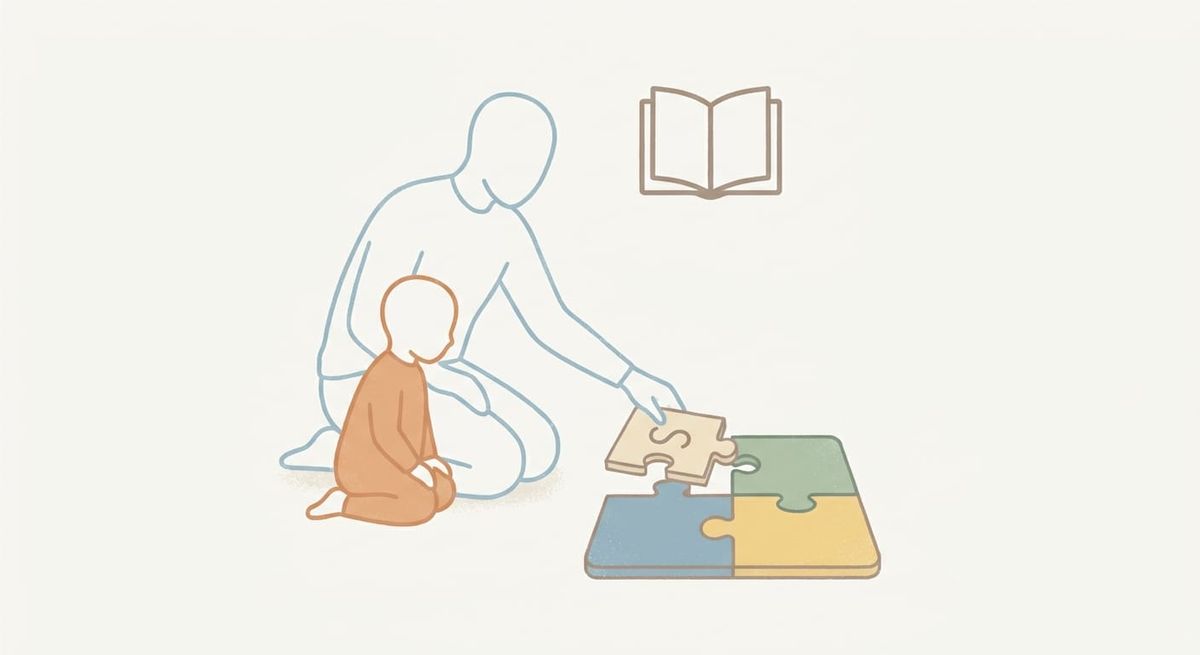
If your child is doing well with short vowel words like cat, sit, and mop, the next question often comes fast: are they ready for blends yet?
That can be a hard call at home. Some parents move ahead and watch reading fall apart. Others stay with simple words so long that practice starts to feel stale.
If you are wondering whether your child is ready for Orton-Gillingham blends, this post will help you look for the signs, avoid jumping too early, and make the next step feel more manageable.
What does “ready for blends” actually mean?
In Orton-Gillingham, blends are words where two or three consonants sit together and each sound is still heard, like stop, flag, or milk.
Being ready does not mean your child reads every short vowel word perfectly. It means they have enough control over the earlier skills to handle one more layer.
In most cases, a child is ready to begin blends when they can:
- read simple CVC words with less guessing
- hear the first, middle, and last sounds in short words
- blend 3 sounds together without a lot of strain
- write or build simple short vowel words
- recover from mistakes with support instead of shutting down
That last point matters more than many parents realize. A child does not need to be flawless. They do need to be steady enough that new learning will not tip them into frustration.
Getting ready for blends?
ReadGenie helps struggling readers improve their reading, spelling and handwriting with Orton-Gillingham practice at home. Your child reads out loud, the app listens, and it helps with the exact sound they missed.
Try ReadGenie free for 7 daysOr get the app on the App Store or Google Play
Are blends too hard right now?
Sometimes the issue is not that your child has "never seen blends." The issue is that the foundation is still shaky.
Your child may not be ready for Orton-Gillingham blends yet if you are seeing things like:
- guessing from the first letter
- trouble hearing all 3 sounds in a CVC word
- mixing up short vowels often
- needing heavy prompting for words like map or sun
- melting down when a word gets even slightly longer
If that sounds familiar, it usually helps to pause and strengthen the earlier step first.
This is not falling behind. It is how structured reading support works best. When the base is stronger, blends go much more smoothly.
What signs show your child is ready?
You are usually looking for small, repeatable signs, not one perfect day.
Here are some green lights:
1. Short vowel reading is getting more automatic
Your child may still make mistakes, but they are not fighting for every word. They can read a short list of CVC words with some flow.
2. They can stretch and blend sounds in order
If you say /f/ - /l/ - /a/ - /g/ and your child can pull it together into flag, that is a strong sign they may be ready.
3. They notice all the sounds in a word
A child who hears stop as just sop is probably not ready yet. A child who can hear that extra consonant cluster is getting closer.
4. They can handle a small challenge without falling apart
New skills should feel effortful, but still possible. If your child can try again, accept correction, and stay engaged for a few more minutes, that matters.
A real-life example
Let’s say Maya has been practicing short vowel words for a few weeks. She can read words like pet, fin, and hop with only a few errors. When her mom says the sounds in flag slowly, Maya can blend them, but she sometimes drops the /l/ at first.
That is often a sign of emerging readiness.
Instead of jumping into a full lesson on lots of blend words, her mom might start with just a few beginning blends like flag, slip, and trap. They would read them slowly, tap each sound, and stop while Maya still feels successful.
That is very different from handing her a full page of blend words and hoping she keeps up.
How should you introduce blends without overwhelm?
If your child seems ready for Orton-Gillingham blends, keep the first step small.
Try this:
Start with one blend type
Pick just one small group, such as beginning blends with l like bl, cl, and fl, or s blends like st, sp, and sm.
Use sound-by-sound practice
Have your child tap or say each sound. Avoid teaching them to memorize the whole word by sight.
Mix in easier words
Add a few known CVC words between newer blend words. This helps practice feel steadier and less heavy.
Stop before fatigue sets in
A short successful lesson is better than pushing until your child is frustrated.
Simple things to try this week
If you are unsure whether your child is ready, these can help you check without turning it into a big test:
- Read 5 to 8 simple CVC words and notice whether your child is decoding or guessing.
- Say 3 or 4 blend words slowly out loud and see if your child can blend the sounds together.
- Try just 2 new blend words in one lesson and watch their response.
- Write down which errors happen most, especially dropped consonants or vowel confusion.
Those small observations will tell you more than one tough lesson ever will.
What if your child is almost ready, but not quite?
That middle space is common.
If your child can sometimes handle blends but not consistently, go back and forth for a bit. Keep reviewing CVC words while introducing only a tiny amount of blend practice. You do not have to choose all or nothing.
That slower overlap often works better than waiting too long or moving too fast.
You might also find this helpful: How to Know What to Teach Next in Orton-Gillingham at Home
If you are trying to figure out sequencing beyond blends, that guide can help you make calmer decisions about what to teach next.
Conclusion
Knowing whether your child is ready for Orton-Gillingham blends is really about watching for stability, not perfection. If simple short vowel words are getting easier, your child can hear the sounds in order, and new practice does not cause a full crash, blends may be the right next step.
If not, that is okay too. A little more time on the foundation is often what makes the next step work.
Make practice at home easier
Short daily sessions of reading, spelling and handwriting practice, built with Orton-Gillingham teachers. It works alongside tutoring and school support. The first 7 days are free.
Try ReadGenie free for 7 daysOr get the app on the App Store or Google Play