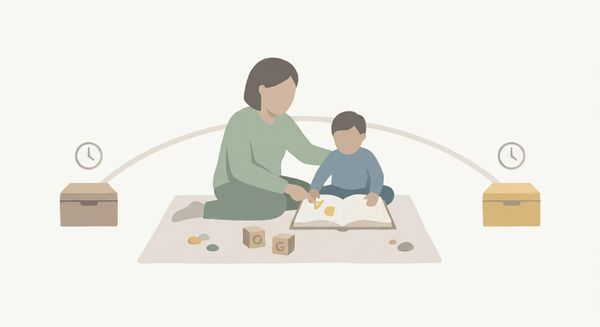
What to Do Between Orton-Gillingham Lessons
If your child is getting Orton-Gillingham support but you are not sure what to do on the days in between, this guide shows simple ways to help without reteaching the lesson or causing extra stress.

If your child is getting Orton-Gillingham support but you are not sure what to do on the days in between, this guide shows simple ways to help without reteaching the lesson or causing extra stress.

If you are using Orton-Gillingham principles at home, one of the hardest parts is knowing what to teach next. This guide shows a simple way to sequence lessons so practice feels clear, calm, and useful.
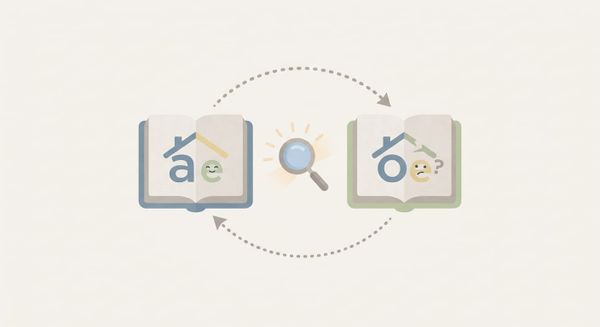
If your child learned magic e but now gets confused by words that do not follow the pattern, this guide shows how to teach silent e exceptions without adding overwhelm.
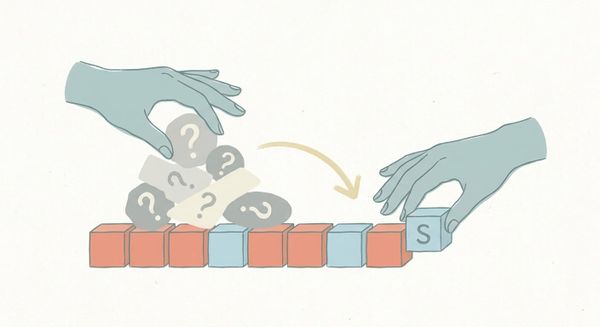
If your child skips sounds, blurts out random words, or guesses from the first letter, this guide shows how to stop guessing in Orton-Gillingham with calm, practical steps.

If your child is doing Orton-Gillingham and progress feels hard to measure, here are the signs that often show up first and what they can tell you.
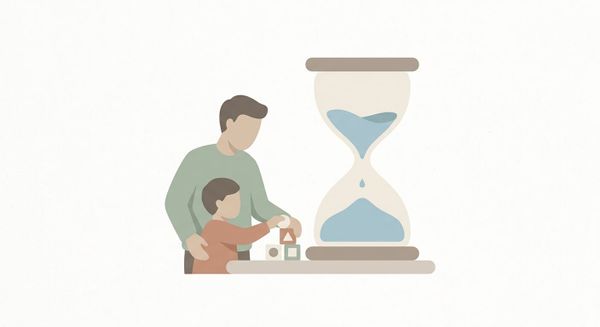
If you are trying to help your child with reading at home, it can be hard to tell when practice is helping and when it has gone on too long. This guide shows how long Orton-Gillingham lessons should be for most children and how to adjust based on attention, effort, and success.

If you want to use Orton-Gillingham at home, one of the hardest parts is knowing where to begin. This guide helps parents choose a starting point that is manageable, accurate, and useful.

If your child has learned short vowels and silent e but keeps stumbling on patterns like ai, ee, or oa, vowel teams may be the next skill to teach. This guide shows how to introduce them in a simple, structured way at home.

If your child can read short vowel words but gets stuck on words like ring, song, and stuck, glued sounds may be the next pattern to teach. This guide shows parents how to teach glued sounds in Orton-Gillingham at home in a simple, structured way.

If your child can do a reading skill one day but seems shaky the next, it can be hard to know whether to keep reviewing or move on. This guide shows parents simple signs that it is safe to take the next step in Orton-Gillingham practice at home.
If your child can read closed syllables but gets confused by words like me, he, and baby, open syllables may be the next pattern to teach. This guide shows how to introduce them in a simple, structured way at home.

If your child learns a reading pattern one week and seems to forget it the next, you may wonder how much review is enough. This guide shows how to review old Orton-Gillingham lessons in a simple, focused way that helps skills stick.