What to Do After a Dyslexia Evaluation
If your child has finished a dyslexia evaluation, you may feel relieved to finally have answers but unsure what to do next. This guide walks you through the first steps to take after testing so you can move from confusion to a clear plan.

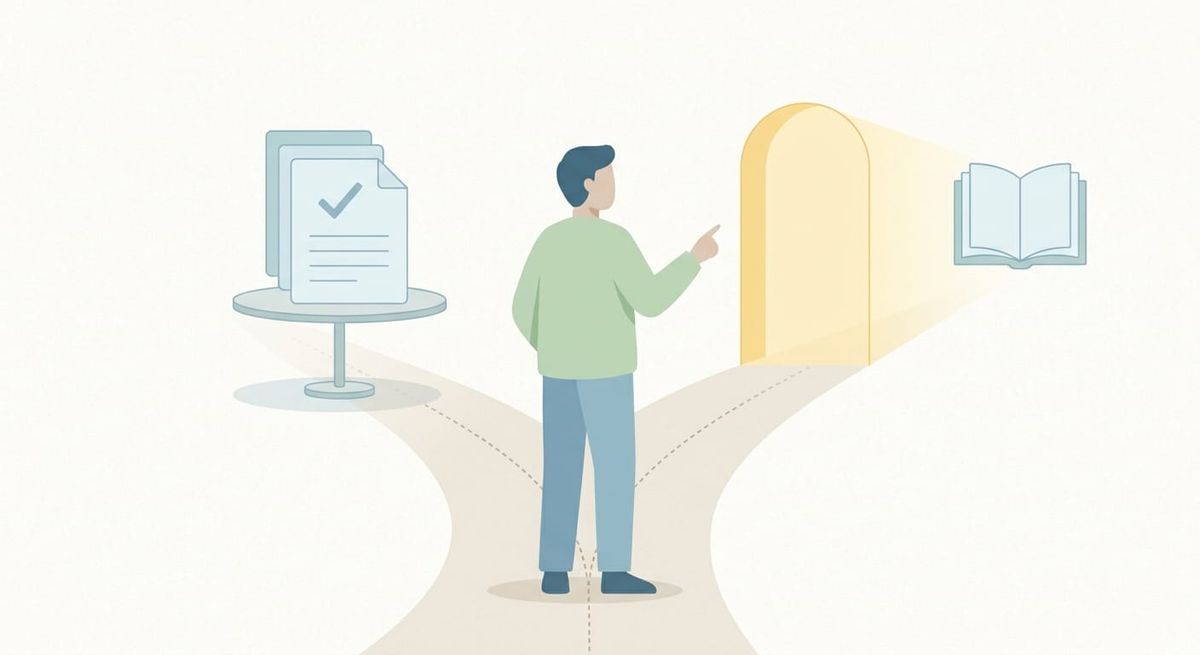
When a dyslexia evaluation is finally over, many parents expect to feel clear and confident. Instead, a lot of them feel stuck.
You may have a long report, unfamiliar test names, and a list of recommendations that sound helpful but hard to act on. You might be wondering who to call first, what to ask the school for, or whether you should start tutoring right away.
If you are trying to figure out what to do after a dyslexia evaluation, this guide will help you take the next steps without getting overwhelmed.
Start with the big picture, not every test score
The report may be full of numbers, percentiles, and terms you have never seen before. It is easy to get lost in the details. Before you do that, step back and look for the most important information.
Start by finding answers to these questions:
- What are your child’s strongest language and learning skills?
- What specific reading areas are weak?
- Does the evaluator clearly say dyslexia, characteristics of dyslexia, or a reading disorder?
- What type of support is recommended?
- Are there school accommodations listed?
You do not need to understand every score on day one. What matters first is understanding how your child reads, where the breakdown is happening, and what kind of instruction will actually help.
A simple way to do this is to write a short summary in plain language. For example: My child understands stories well, but struggles with decoding, spelling, and reading unfamiliar words. The report recommends structured literacy instruction and school supports for written work.
That summary will make every next conversation easier.
Who should you contact first?
Once you understand the main findings, the next step is sharing the results with the right people.
If your child is in public or private school, start with the people directly involved in reading support. This may include:
- your child’s classroom teacher
- reading specialist
- special education coordinator
- school psychologist
- principal, if needed
You do not need to send the full report to everyone right away. Often, it helps to email a short summary and ask for a meeting to discuss support.
You can say something like:
My child recently completed a dyslexia evaluation. The results show significant reading weaknesses in decoding and spelling, and the evaluator recommended structured literacy support. I would like to meet to discuss what help the school can provide.
If you are planning private intervention, contact tutors or reading specialists who use structured, explicit reading instruction. Look for people trained in approaches connected to Orton-Gillingham or other structured literacy methods.
What support should you ask the school for?
A dyslexia evaluation can open the door to school support, but only if you know what to ask about.
The exact services will depend on your child’s profile, but these are common areas to discuss:
- explicit phonics or structured literacy intervention
- extra time for reading-heavy assignments or tests
- reduced copying from the board
- access to audiobooks or text-to-speech tools
- spelling accommodations when appropriate
- classroom supports for written responses
It also helps to ask practical questions, not just eligibility questions.
For example:
- Who will provide reading intervention?
- How often will it happen?
- Will the instruction be individual or small group?
- What program or approach will be used?
- How will progress be measured?
This matters because a label alone does not teach a child to read. Good instruction does.
What if the report confirms dyslexia but your child is still waiting for help?
This is one of the hardest parts for parents. You finally get answers, but support does not start overnight.
If there is a delay, focus on what you can do now.
First, keep reading practice short and manageable. Long, stressful homework sessions usually backfire.
Second, choose practice that matches your child’s actual reading level, not just grade level. Many children with dyslexia in grades 3 through 6 still need direct work on decoding, fluency, and spelling patterns.
Third, keep notes. Save emails, meeting dates, and recommendations from the report. If school support moves slowly, having a clear paper trail helps.
Finally, remember that your child’s confidence needs support too. Many kids come out of an evaluation feeling like something is wrong with them. They need to hear the truth: reading is hard right now, but hard is not the same as hopeless.
A real-world example
Maya was in 4th grade and loved science, but she froze whenever she had to read out loud. She guessed at longer words, avoided chapter books, and came home saying she was stupid.
After her evaluation, her parents learned that her listening comprehension was strong, but her decoding and spelling were far behind. The report recommended structured literacy instruction, classroom accommodations, and audiobooks for independent reading.
Instead of trying to solve everything at once, her mom picked three next steps. She sent the report summary to school, scheduled a meeting with the reading specialist, and found a tutor trained in structured literacy.
Within a few months, Maya was still working hard, but she was no longer guessing her way through every page. Just as important, she understood why reading had felt so hard.
Simple things you can do this week
If you are feeling overwhelmed, start here:
- Write a 3 sentence summary of the evaluation. Keep it simple enough that you could say it in a meeting.
- Schedule one school conversation. You do not need the full plan yet. Just get the first meeting on the calendar.
- Pick one support to start now. That might be audiobooks, decodable reading practice, or a tutor consultation.
- Tell your child what the evaluation means. Use calm, clear language. For example: This shows how your brain learns to read. It helps us know how to teach you better.
You do not need to have every answer right away
A dyslexia evaluation is not the finish line. It is the point where things can start making more sense.
You do not need to decode the entire report in one night or build the perfect plan by tomorrow. What matters is taking the next useful step, then the next one after that.
You might also find this helpful: Questions to Ask After a Dyslexia Diagnosis
If your child needs extra reading practice while you are putting support in place, ReadGenie can help. The app gives kids structured, systematic practice with phonics, repetition, and decodable passages based on the kinds of skills many struggling readers need.
You can explore ReadGenie here:



