How to Review Orton-Gillingham Words at Home
If your child forgets a pattern they seemed to know last week, you may be wondering how to review old Orton-Gillingham words without turning practice into frustration. This guide shows parents a simple way to bring back old skills so they stick.

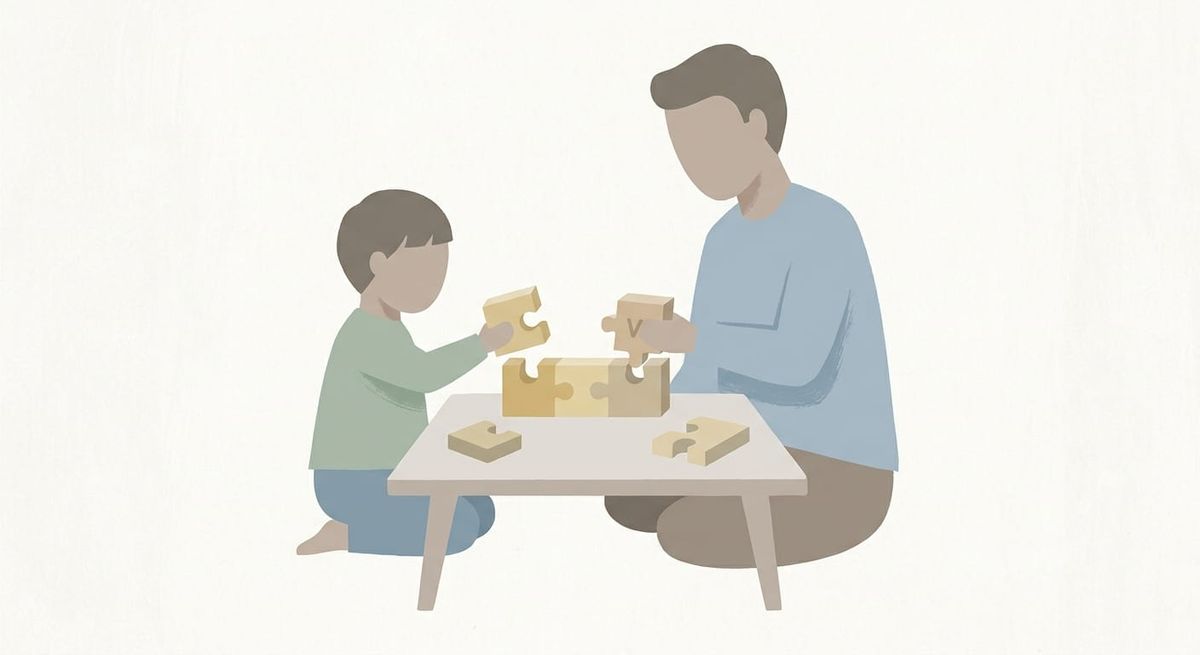
If your child could read a pattern last week but now seems to miss it again, you are not doing anything wrong. This happens often with struggling readers. Parents are usually told to practice consistently, but not always shown how to review old material in a way that actually helps.
This post will show you how to review Orton-Gillingham words at home without making practice drag on. The goal is not to pile on more work. It is to bring back older skills in short, clear ways so your child gets the repetition they need.
Why do kids forget words they already practiced?
In Orton-Gillingham, new skills build on old ones. A child may look solid on a pattern one day and shaky the next. That does not always mean the lesson failed. It often means the skill is not automatic yet.
A few things can cause this:
- the child learned it with heavy support but cannot do it alone yet
- too much time passed before the skill came up again
- new material was added before the old pattern felt secure
- the child can read the word in a lesson but not spot the pattern in a different word
This is why review matters. It helps your child move from “I remember this sometimes” to “I know how to do this.”
What should you review during home practice?
You do not need to review everything. That usually overwhelms both parent and child. Instead, choose one small group of words or one pattern your child has seen before but still misses.
Good review targets include:
- words with the same spelling pattern, like ship, shop, shut
- previously taught red words or heart words
- dictation words your child spelled incorrectly more than once
- word parts that keep causing confusion, like blends, digraphs, or suffixes
A good rule is to review what is still wobbly, not what is already easy.
How can you review without making it feel repetitive?
Review works best when it is short and active. You do not need a long worksheet. You just need a few minutes of focused practice.
Here are a few simple ways to review:
Read the same pattern in a new set of words
If your child worked on short vowel words, bring back three to five old words and mix in one or two new ones with the same pattern. That helps them notice the pattern instead of memorizing a list.
Use quick sound-to-spelling review
Say a sound or word and have your child tap it, say it, or write it. This is especially helpful if they can read a word but cannot spell it.
Revisit one old word card at a time
Instead of flipping through a huge stack, pull just three review cards. Keep the pile small enough that your child can feel successful.
Read a short decodable passage with an old pattern
This helps the skill show up in connected text, which is often where parents first notice a breakdown.
What does good review look like in real life?
Let’s say a fourth grader named Eli learned sh, ch, and th and seemed fine during lessons. But during home reading, he keeps stopping at words like chip and thin. His mom starts each practice session with four review words: shop, fish, chin, thin. They read the words, tap the sounds in two of them, and write one from dictation.
The whole review takes about four minutes.
After a week, Eli is reading those patterns more smoothly in his decodable passage. He still needs reminders sometimes, but the old patterns are starting to stick because they are showing up often in a manageable way.
That is what effective review usually looks like. Not dramatic. Just steady.
How often should you review old Orton-Gillingham words?
Most parents do better with a little review in almost every session instead of one big catch-up day. Even three to five minutes can help.
Try this simple rhythm:
- start with 3 to 5 old words or one old pattern
- keep review to about 20 to 30 percent of the session
- drop words that are truly automatic
- keep reviewing words that break down across reading and spelling
If your child is getting frustrated, that is usually a sign to make review smaller, not to stop reviewing altogether.
Practical tips parents can try this week
- Keep one small review list instead of multiple piles
- Choose review words from recent mistakes, not random old lessons
- Mix reading, spelling, and quick oral practice
- End review before your child gets tired enough to guess
You do not need to reteach everything
A lot of parents assume that if a child forgets something, they need to go all the way back and reteach the full lesson. Usually, that is not necessary. Short review is often enough to strengthen the pathway.
If a pattern keeps falling apart even with review, that may be a sign your child needs slower pacing, more repetition, or more decodable practice with that skill.
You might also find this helpful: How to Track Orton-Gillingham Progress at Home
Conclusion
When you review Orton-Gillingham words at home, the goal is not to do more. It is to help old learning stay available. A few minutes of focused review can make practice feel more successful and help your child carry skills into real reading.
If you want extra support, ReadGenie gives kids structured practice with decodable reading, repetition, and phonics-based skill building grounded in Orton-Gillingham principles. You can explore it here: App Store and Google Play.



