How to Practice Decodable Text in Orton-Gillingham
If your child can read phonics patterns in isolation but freezes during passages, decodable text may be the missing bridge. This guide shows parents how to practice decodable text in Orton-Gillingham in a simple, structured way at home.

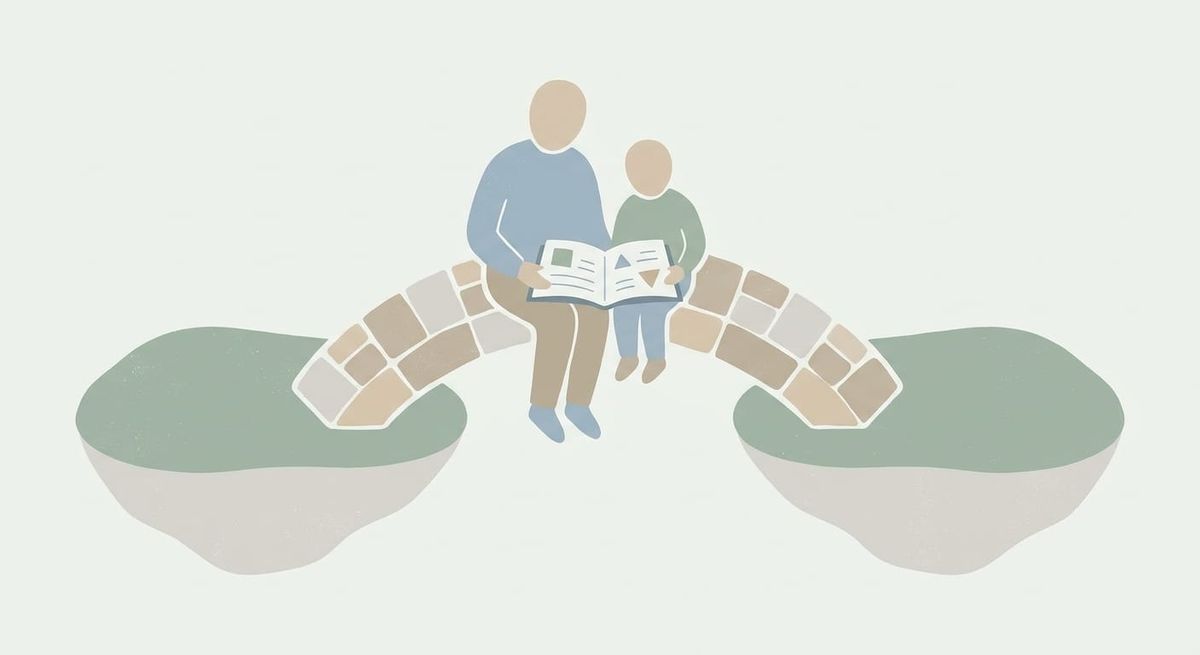
If your child can read a list of words like map, sat, and flag but then gets stuck when those same words show up in a short passage, you are not imagining things. That jump from word reading to sentence reading is hard for many struggling readers.
This is where decodable text helps. If you want to practice decodable text in Orton-Gillingham at home, the goal is not to hand your child a passage and hope for the best. The goal is to match the text to the skill they are learning, support them as they read, and keep the practice short enough that it does not turn into a fight.
What makes decodable text useful?
Decodable text gives your child a chance to read connected words that mostly use patterns they have already been taught. That matters because many struggling readers can get through drills but still need help applying those same skills in real reading.
A good decodable passage is not supposed to feel random or too hard. If your child just learned short vowels, the text should mostly use short vowel words. If they are working on magic e, the passage should include plenty of words with that pattern.
This helps your child do three important things:
- practice reading a skill in context
- build accuracy without heavy guessing
- start reading with more flow and confidence
When should you use decodable text?
Parents often wonder if decodable passages come at the beginning of a lesson or the end. In most cases, they work best after your child has already practiced the target pattern in smaller steps.
That usually means your child has already:
- reviewed sound-symbol connections
- read words with the target pattern
- practiced blending those words
Then the decodable text becomes the next step. It helps your child carry the skill into sentences and short stories.
If the passage comes too early, your child may guess, shut down, or lean on memory. If it comes after enough word-level practice, it is much more likely to feel successful.
How do you practice decodable text without overwhelm?
The biggest mistake parents make is using too much text at once. A child with dyslexia may do much better with four sentences read well than with two full pages read poorly.
Try this simple routine:
- Preview the tricky words. Before reading the passage, look at 3 to 5 words your child might stumble on. Read them together first.
- Name the pattern. Remind your child what they are looking for, such as short a, silent e, or r-controlled vowels.
- Read one sentence at a time. If needed, cover the rest of the page and only show one line.
- Prompt for decoding, not guessing. Say, “Let’s tap the sounds,” or “What pattern do you see?”
- Reread for smoother reading. Once the passage is decoded, have your child read it again to build fluency.
This keeps the task structured and calm. It also makes the reading load feel smaller.
What if your child still struggles with the passage?
That usually means one of two things. Either the text is not a good match for the skill level, or your child needs more support before reading connected text.
Look for these signs that the passage may be too hard:
- too many untaught words
- frequent guessing
- losing place on the line
- getting through the words but not remembering anything
If that happens, step back. Go from passage to sentence. Go from sentence to word. Then rebuild.
You do not need to force a whole story just because the page is there. In Orton-Gillingham, success comes from controlled practice, not rushing ahead.
A real-world example
Lena, a fourth grader, could read short vowel words correctly during drills. She could read chip, black, and stop on flashcards without much trouble. But when she opened a decodable story, she started guessing from the first letter and skipped small words.
Her mom changed the routine. Instead of asking Lena to read the whole story, she previewed four tricky words first, covered most of the page, and had Lena read one sentence at a time. After each sentence, they went back to any word Lena guessed and sounded it out together.
Within a week, Lena was still reading slowly, but she was decoding instead of guessing. That shift mattered more than speed. It meant the reading practice was actually strengthening the right skill.
Simple things to try this week
If you want to practice decodable text in Orton-Gillingham at home, keep it realistic. Start with a few small changes:
- choose passages that match one skill your child already knows
- stop after a few sentences if effort is dropping
- reread the same short passage the next day instead of always using new text
- praise accurate decoding, even when reading is still slow
Small wins count here. A child who reads carefully through six sentences is building more than a child who rushes through a page with constant guessing.
Need help connecting blending to passage reading?
You might also find this helpful: How to Help a Child Blend Sounds in Orton-Gillingham
Blending problems often show up more clearly when a child starts reading connected text, so that post can help if your child gets stuck sounding out words inside passages.
Conclusion
Decodable text works best when it feels like a bridge, not a test. Your child does not need to read long passages to make progress. They need short, matched practice that helps them apply the phonics skills they are learning.
If reading time has been stressful, this is a good place to simplify. A short passage, the right pattern, and a calm routine can go a long way.
If you want extra support, ReadGenie gives children structured reading practice using Orton-Gillingham principles, systematic phonics, repetition, and decodable passages. You can explore it here: [APPSTOREURL] and [GOOGLEPLAYURL].



