What to Do During an Orton-Gillingham Session at Home
If you have good intentions but reading practice still feels awkward once you sit down together, this guide shows what to do during an Orton-Gillingham session at home step by step.

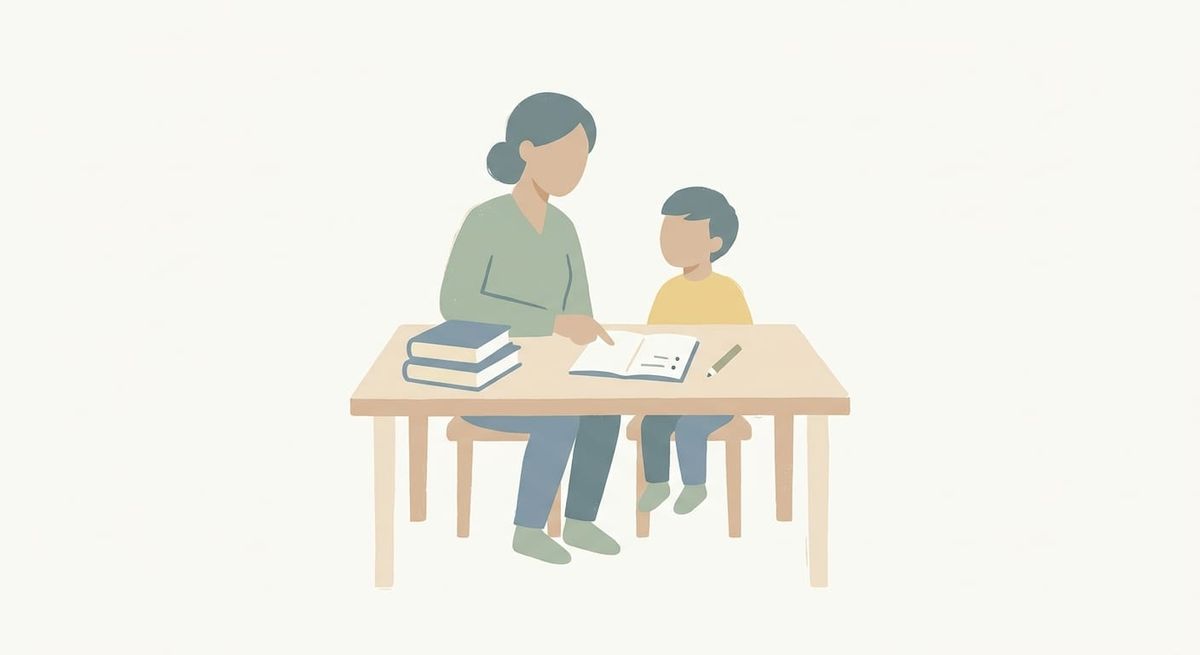
If you are trying to help your child with reading at home, the hardest part is often not motivation. It is knowing what to do once you both sit down at the table.
A lot of parents can gather materials, print a decodable passage, and set aside 15 minutes. Then the session starts and everything feels fuzzy. Do you review sounds first? Should your child read words or text? When do you correct mistakes? How much is enough?
This guide walks through a simple Orton-Gillingham session at home so you have a clear, manageable routine to follow.
What should an Orton-Gillingham session at home include?
A simple home session does not need to be complicated. In most cases, it helps to move in a predictable order:
- Quick review
- Sound or pattern practice
- Word reading
- Decodable text reading
- Short wrap-up
That order works because it moves from smaller skills to more connected reading. Your child gets a chance to warm up, practice one target skill, and then use it in context.
If your child is already working with a tutor or specialist, try to match the skill they are currently learning. For example, if they are practicing vowel teams, suffixes, or multisyllable words, build your home session around that one focus instead of jumping between too many things.
Start with a short review
The first few minutes should feel easy enough to build confidence.
You might review:
- 3 to 5 sound cards
- a few previously learned words
- one spelling pattern your child already knows
This is not the time to introduce something hard right away. Think of it as getting your child’s brain ready to read.
You can say things like:
- “What sound does this make?”
- “Read this word.”
- “Do you remember this pattern?”
Keep this part brief. If review drags on too long, the session can start to feel heavy before you reach the new work.
Teach or practice one new skill
This is the heart of the session.
Choose one small target. That might be:
- the sound of oi or ou
- a suffix like -ing or -ed
- closed and open syllables
- breaking longer words into parts
An Orton-Gillingham session at home works best when you stay narrow. One skill is enough.
Show the pattern, say it aloud, and practice it in a few words. If your child is reading camping, you might point out camp + ing. If they are reading boil, coin, and join, you might highlight that oi usually appears in the middle of a word.
You do not need a long explanation. Short, direct teaching is often more helpful.
When your child gets stuck, what should you do?
This is where many parents feel unsure.
If your child misses a word, try not to jump in too fast with the answer. Give a prompt that helps them use the skill you are practicing.
For example, you might say:
- “Try that again and look at the vowel team.”
- “Cover the ending and read the first part.”
- “Tap the sounds first.”
- “What sound does this chunk make?”
The goal is not to make your child guess. The goal is to guide them back to the pattern.
If they still cannot read it after a short prompt, tell them the word calmly and move on. Home practice should build skill, not turn into a battle.
Read connected text that matches the skill
After practicing words, have your child read a short decodable passage or a few sentences that use the same pattern.
This part matters because it helps the skill transfer beyond a word list.
If your child practiced sh, ch, or a suffix like -ed, the passage should include several chances to read those patterns in context. Stop now and then to praise accurate reading or quickly correct an error, but do not interrupt every line.
A helpful rule is this: correct what relates to the target skill, and let minor stumbles go if they are not the focus of the day.
That keeps the session supportive and prevents overload.
A real-life example of how this can look
Let’s say your fourth grader, Maya, is working on vowel teams and gets overwhelmed by longer words.
A 15-minute session might look like this:
- Review 4 sound cards, including ai and oa
- Read 5 review words like rain, coat, and soap
- Practice a new target with oi words like coin, join, and boil
- Read a short decodable passage with several oi words
- End by asking, “What pattern did we practice today?”
That is enough.
You do not need to squeeze in spelling, fluency drills, handwriting, and comprehension questions every time. A shorter session with a clear focus is usually more productive than a packed session that leaves your child frustrated.
Simple tips to make home sessions go better
Here are a few ways to make an Orton-Gillingham session at home feel smoother:
Keep it short
For many kids, 10 to 20 minutes is plenty. Stop before your child is fully drained.
Use the same routine each time
Predictability lowers stress. When your child knows what comes next, they can focus more on reading.
Praise effort that is specific
Instead of saying “good job,” try “I noticed you went back and looked at the vowel team” or “you broke that long word into parts on your own.”
End with success
Finish with one word, sentence, or passage your child can handle. That helps protect confidence.
If you need help knowing what to plan
If you are unsure how to organize the parts of a session before you begin, you might also find this helpful: How to Make an Orton-Gillingham Lesson Plan at Home
Final thoughts
An Orton-Gillingham session at home does not need to look perfect to help your child. What matters most is a simple routine, one clear skill at a time, and calm support when reading feels hard.
If you want extra structure, ReadGenie gives kids decodable, systematic reading practice built on Orton-Gillingham principles and the Science of Reading. It can be a helpful way to support the work you are already doing at home. You can check it out here: App Store or Google Play.



