What Order to Teach Orton-Gillingham Concepts at Home
If you are trying to help your child with reading at home, one of the hardest parts is knowing what to teach first. This guide shows a simple Orton-Gillingham scope and sequence at home so practice feels steady, clear, and less overwhelming.

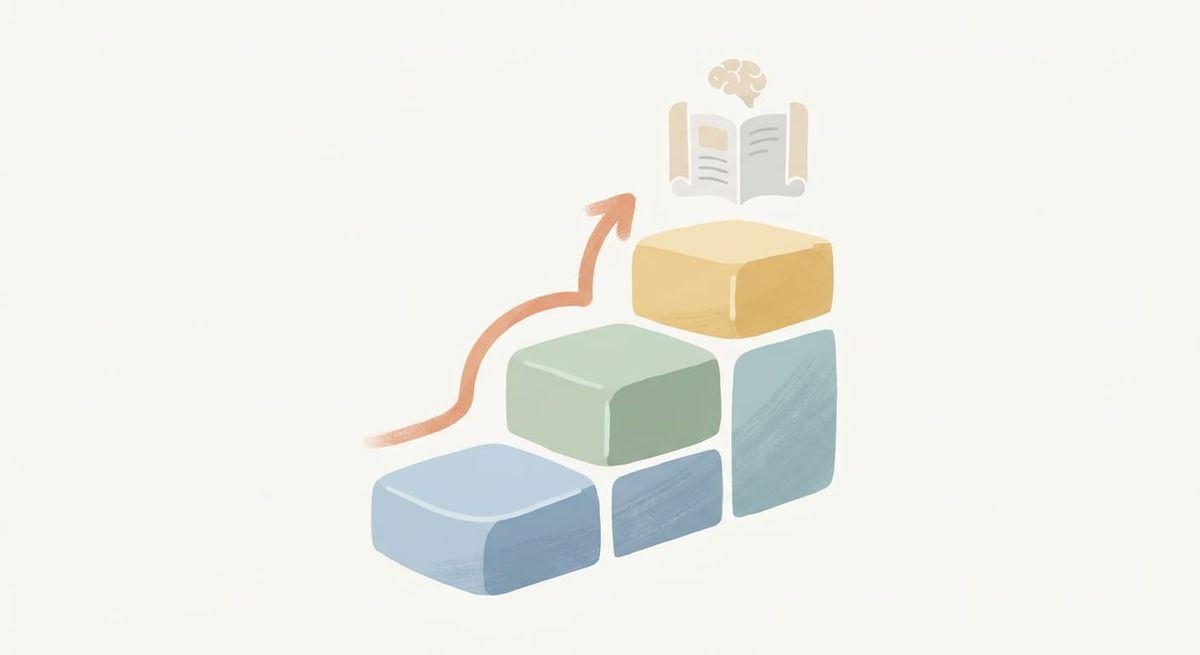
If you are trying to use Orton-Gillingham ideas at home, one question comes up fast: What do I teach first?
A lot of parents start with good intentions, then get stuck. One day you practice sight words. The next day you try blends. Then someone mentions syllable types, and now it feels like you need a whole teaching degree just to help your child read.
That is where a simple Orton-Gillingham scope and sequence at home can help.
You do not need to recreate a full tutoring program. But it does help to follow a steady order so your child is not guessing, memorizing randomly, or skipping over missing skills. In this post, I will walk you through a parent-friendly way to think about what comes first, what usually comes next, and how to know when to slow down.
Why order matters in Orton-Gillingham
Orton-Gillingham works best when skills build on each other. A child learns a sound, then reads it in words, then spells it, then uses it in connected text. If you jump too far ahead, your child may seem confused or inconsistent, even when they are trying hard.
At home, this often looks like:
- knowing a sound in isolation but not in a word
- reading a pattern one day and forgetting it the next
- guessing at longer words
- melting down when practice feels unpredictable
A clear order helps your child feel more secure. It also helps you stop wondering whether you should be teaching five new things at once.
So what should you teach first?
For most struggling readers, it helps to move from the simplest sound-symbol connections into more complex patterns.
A home-friendly sequence often looks like this:
- Letter sounds and sound-symbol connection
Focus on common consonant sounds and short vowels. - Blending simple CVC words
Words like map, sit, bug help children connect sounds into whole words. - Segmenting simple words for spelling
If your child can read map, they should also practice pulling it apart: /m/ /a/ /p/. - Digraphs and consonant blends
Patterns like sh, ch, th, wh and blends like st, bl, gr. - Common vowel teams and long vowel patterns
Examples include ai, ee, oa, silent e. - More advanced word reading
This may include inflected endings, multisyllable words, and syllable division later on.
The key is not to race through the list. The goal is to make sure each step is solid enough that the next one does not feel like a leap.
How do you know your child is ready to move on?
Parents often worry they are either repeating too much or moving too fast. A good rule is this: move on when your child can use the pattern with support, not only recognize it once.
That means your child should be able to:
- read several words with the pattern
- spell a few words with the pattern
- use the pattern in a short decodable sentence or passage
- make mistakes without completely falling apart
Your child does not need to be perfect. But if every word feels brand new each day, it is usually a sign they need more review before adding another concept.
What if your child already knows some things but has gaps?
This is very common, especially in grades 3 to 6.
A child might read long words from memory but still struggle with short vowel sounds. Or they may know phonics rules in isolation but guess when reading actual text. That does not mean you have to start from zero in a discouraging way. It just means you need to check for missing foundations.
A simple way to do that at home is to ask:
- Can my child quickly give the sound for this letter or pattern?
- Can they read it in a real word?
- Can they spell it when they hear it?
- Can they use it in a short passage without guessing?
If the answer is no in one of those steps, that is often where practice should begin.
A real-world example
Let’s say your fourth grader, Maya, reads chapter books with help but stumbles on words like ship, bath, and chin. You might assume she needs harder work because she is older.
But when you listen closely, you notice she is shaky on digraphs. She sees sh and says each sound separately. She reads chin as can. She spells bath as baf.
Instead of jumping into bigger words, you spend a week practicing sh, ch, and th with sound cards, word reading, spelling, and a short decodable passage. Suddenly, Maya looks less overwhelmed. She is not just trying harder. She is finally practicing the skill she actually needs.
That is the value of a simple sequence. It helps you match practice to the real gap.
Practical tips for using an Orton-Gillingham scope and sequence at home
Here are a few ways to keep home practice manageable:
1. Teach one new pattern at a time
If you introduce short vowels, blends, and vowel teams all in the same week, your child may start mixing them up. Keep the lesson focus narrow.
2. Review before adding
Start each practice session with a quick review of known sounds or patterns before teaching something new. Even three to five minutes helps.
3. Connect reading and spelling
If your child reads a pattern, have them also spell a few words with it. That extra step often shows whether the concept is really sticking.
4. Use decodable text that matches the skill
Try not to hand your child a passage full of patterns they have not learned yet. Controlled text helps them apply the concept instead of guess.
What if you are not sure where to start today?
If you feel unsure, begin with the lowest level skill that still causes strain.
That might be:
- short vowels
- blending three-sound words
- digraphs
- simple spelling with sound-by-sound dictation
Starting lower than expected is usually safer than starting too high. It gives your child a chance to build accuracy and confidence at the same time.
You might also find this helpful: How to Start Orton-Gillingham at Home
Conclusion
A good Orton-Gillingham scope and sequence at home does not need to be complicated. What matters most is teaching skills in a clear order, reviewing often, and making sure your child can actually use each pattern before piling on more.
If your child seems stuck, it may not mean they cannot learn it. It may just mean the next step came before the foundation was ready.
If you want extra support, ReadGenie gives children structured phonics practice with repetition, decodable reading, and a clear path forward. You can explore it here: App Store or Google Play.



