How to Practice Orton-Gillingham Review at Home
If your child can read a pattern one week and forget it the next, the problem may not be effort. They may just need better review. This guide shows parents how to do Orton-Gillingham review at home in a simple, structured way.

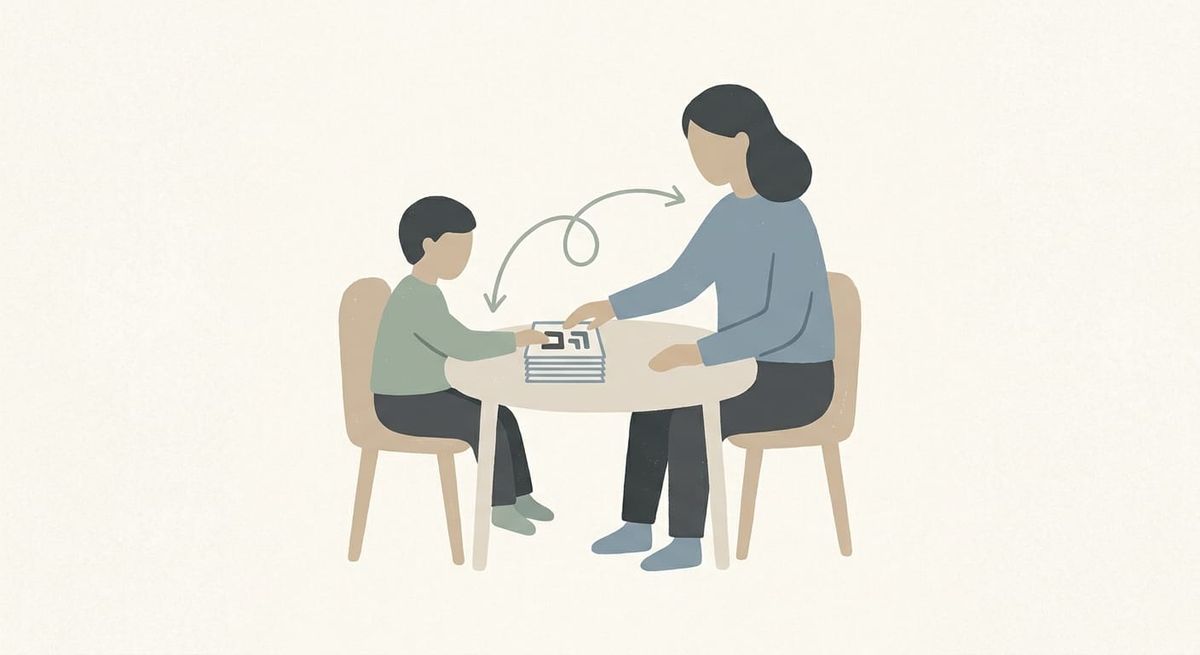
If your child seems to learn a reading skill, then lose it a few days later, you are not doing anything wrong. That up-and-down pattern is common, especially for children with dyslexia.
What often helps is not pushing ahead faster. It is building in better review.
This post will show you how to do Orton-Gillingham review at home in a way that feels simple, short, and useful. You do not need a long lesson or a stack of printables. You just need a clear plan for bringing old skills back often enough that they stick.
Why review matters so much
In Orton-Gillingham, new skills are taught directly and in a careful order. But children also need repeated practice with older skills so they can recognize them more automatically.
Without review, a child may be able to read a pattern during one lesson but struggle with it again later. That does not always mean the lesson failed. It often means the skill is still fragile.
Review helps your child:
- remember sound patterns they have already learned
- connect old skills to new words
- build speed without guessing
- feel more successful during reading practice
For many kids, review is where confidence starts to grow.
What should you review in an Orton-Gillingham routine?
A good review session does not cover everything at once. It pulls from skills your child has already been taught and keeps them active.
At home, that usually means reviewing:
- letter sounds
- previously taught phonics patterns
- tricky words your child has learned before
- blending with familiar word types
- reading short decodable words or sentences
If your child recently learned closed syllables, silent e, or vowel teams, review should bring those patterns back in small doses across the week.
The key is to review a mix of easy and slightly shaky skills. If everything feels hard, your child may shut down. If everything feels too easy, the practice may not do much.
How long should review be?
For most parents, shorter works better.
A review block at home can be as little as 5 to 10 minutes. That is often enough to revisit older material without draining your child before the harder part of the lesson.
You can try a simple structure like this:
- 1 to 2 minutes of sound cards
- 2 minutes of reading familiar word patterns
- 2 minutes of tricky word review
- 2 to 4 minutes of reading a short decodable passage or sentence list
That kind of review is manageable, repeatable, and easier to keep consistent.
What does effective review actually look like?
Effective review is active. Your child should be reading, saying, hearing, or writing something, not just looking at it.
Here are a few simple ways to do Orton-Gillingham review at home:
Use quick sound card drills
Show one sound or pattern card at a time and have your child say the sound. Keep the pace steady, but not rushed. Mix in a few cards they know well with one or two that still need work.
Revisit old word patterns
Make a short list of words with a pattern your child has already learned, such as CVC, silent e, or r-controlled vowels. Ask them to read the words slowly and accurately. If needed, prompt them to tap sounds or mark vowels.
Review tricky words on purpose
Do not bring back every irregular word at once. Choose three to five known tricky words and practice reading them, spelling them, and using them in a sentence.
Read something decodable, not random
Review works best when the text matches what your child has been taught. A short decodable passage gives them a chance to apply old skills in connected reading without relying on guessing.
What if your child forgets a skill during review?
That is normal.
If your child misses a sound or forgets a word pattern, try not to treat it like a big setback. Review is supposed to uncover weak spots before they turn into bigger problems.
A helpful response might sound like this:
- “Let’s look at that vowel again.”
- “Try reading it sound by sound.”
- “You knew this one before. Let’s bring it back.”
If the same skill keeps falling apart over several days, your child may need more than review. They may need the concept retaught more directly and more slowly.
You might also find this helpful: How to Know When to Repeat a Lesson in Orton-Gillingham
A real-life example
Let’s say Maya learned silent e words last week. On Tuesday, she read cape, bike, and home correctly. By Friday, she started reading cape like cap again.
Her parent could assume she was not paying attention and move on. But a better next step would be a short review block.
The next day, her parent quickly reviewed short vowel and silent e pairs like cap/cape, kit/kite, and hop/hope. Then Maya read a few silent e words in a short decodable passage.
That small review helped her notice the pattern again. She did not need a lecture. She needed another chance to see the skill, use it, and connect it to words she could actually read.
Simple review tips parents can try this week
If you want review to feel more effective right away, start here:
- keep one small stack of old sound or pattern cards
- review just 1 or 2 older skills per session
- use the same review routine for several days so it feels familiar
- stop while your child is still regulated, not already frustrated
You do not need to cover everything. Consistent review beats packed review.
Conclusion
Good review helps reading skills last. If your child keeps forgetting patterns they seemed to know, a short, structured review routine can make practice feel steadier and more successful.
With Orton-Gillingham review at home, the goal is not to do more work. It is to revisit the right skills often enough that your child can hold onto them.
If you want extra support, ReadGenie gives kids structured phonics practice with repetition, decodable reading, and routines designed to help skills stick over time. You can explore it on the App Store or Google Play.



