How to Help a 4th or 5th Grader With Dyslexia Read Two-Syllable Words Without Guessing
If your child guesses at longer words instead of decoding them, these simple at-home routines can help them read two-syllable words with more confidence.

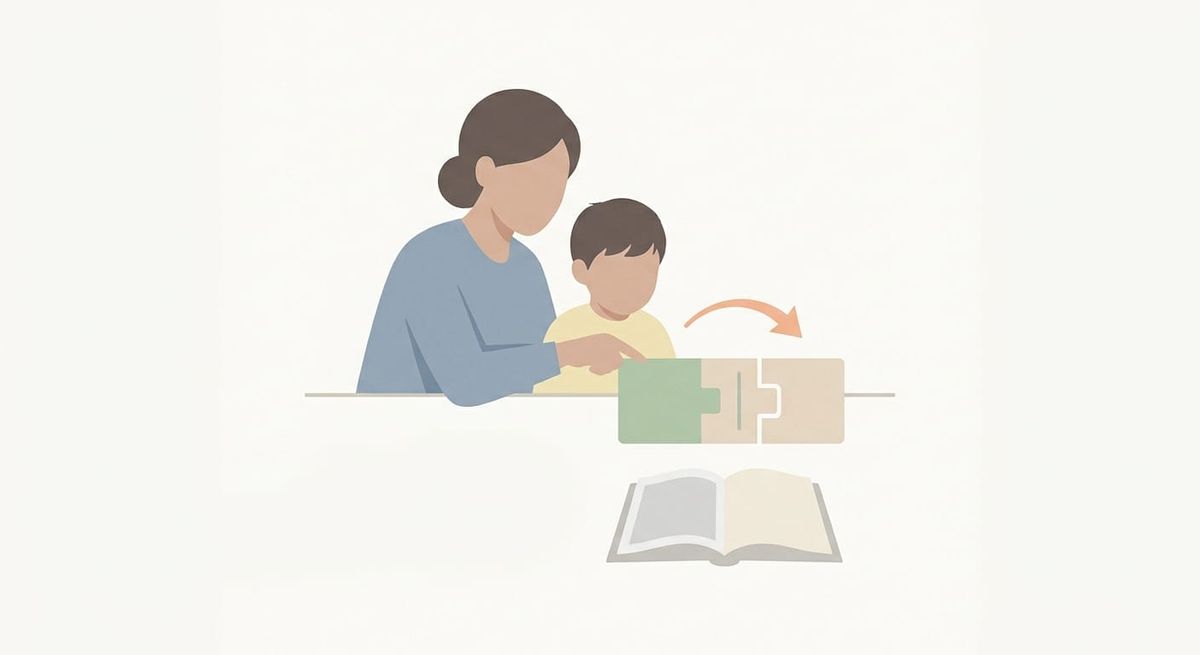
If your child can read short words but falls apart on words like sunset, robot, or napkin, you are not imagining it. This is a very common sticking point for 4th and 5th graders with dyslexia. They may look at the first part of the word, take a guess, and hope it works.
The good news is that guessing is not a habit your child is stuck with forever. With the right kind of practice, they can learn to slow down, break words into parts, and actually decode what they see.
If you are looking for how to help a 4th grader with dyslexia read two syllable words, this post will walk you through simple things you can do at home without turning reading time into a battle.
Why do kids guess at two-syllable words?
Many kids with dyslexia have learned that long words feel overwhelming. When they see an unfamiliar word, they may try to grab the first sound or first chunk and fill in the rest from memory.
That can sound like:
- reading napkin as napkin one day and pumpkin the next
- saying robot as rabbit
- skipping the middle of a word altogether
This usually is not laziness. It is often a sign that the word is too big to hold all at once.
The fix is not to tell them to "try harder." The fix is to teach them what to do with longer words.
Practical takeaway: When your child guesses, pause and say, "Let’s break it into parts," instead of giving the word right away.
Start with chunking, not memorizing
A lot of parents get told to practice sight words more. But for a child with dyslexia, memorizing lots of longer words is exhausting and unreliable.
A better approach is to teach your child to look for chunks they can read.
For many two-syllable words, that means splitting the word into smaller parts:
- sunset → sun + set
- napkin → nap + kin
- robot → ro + bot
- picnic → pic + nic
At first, choose words with simple, controlled patterns. Stick with words where each syllable is fairly easy to sound out. Avoid trickier words like lion or every until your child is stronger with basic chunking.
You can write a two-syllable word on paper and draw a light line between the syllables. Then have your child read the first part, read the second part, and blend them together.
Practical takeaway: Start with 5 words a day. Keep the pattern simple so your child can practice decoding instead of guessing.
What should your child do when they get stuck?
Kids often need a routine they can repeat every time they hit an unfamiliar word. Without one, they panic or guess.
Try this simple sequence:
- Cover part of the word so only the first syllable shows.
- Read the first chunk out loud.
- Uncover the second chunk and read that.
- Blend both parts together.
- Read the whole word again.
For example, with magnet:
- first chunk: mag
- second chunk: net
- then blend: magnet
This helps your child focus on one part at a time instead of treating the whole word like a guessing game.
If your child reads a chunk incorrectly, keep the correction short. Say the sound or syllable clearly, then have them try again. Long explanations in the middle of reading usually make things harder.
Practical takeaway: Use the same routine every time. Repetition builds confidence.
Why repeated practice matters more than long lessons
Short, targeted practice usually works better than a long reading session after your child is already tired.
A 10-minute routine can be enough:
- read 5 two-syllable words
- reread the same 5 words
- read a short decodable sentence or passage that includes those patterns
That last step matters. Kids need to see the words in connected reading, not just on a list.
For example, if your child practices sunset, napkin, basket, and picnic, a short sentence might be:
- We had a picnic at sunset.
- The napkin is in the basket.
This gives them a chance to use the decoding skill in real reading.
One parent might notice this kind of change: at first, their child sees picnic and says park because they are guessing from meaning. After a week of reading chunked words like picnic, napkin, and sunset, the child starts stopping and working through each part. It is not instant, but it is real progress. The biggest shift is often that they no longer freeze when they see a longer word.
Practical takeaway: Rereading the same controlled word patterns is helpful. It is not boring busywork. It is how the skill sticks.
Simple things to try at home
If you want to know how to help a 4th grader with dyslexia read two syllable words in a way that feels doable, start here:
1. Make a small word list by pattern
Pick 5 words with similar structure, such as:
- napkin
- picnic
- sunset
- basket
- magnet
Practice those for a few days before switching to a new set.
2. Use finger tapping or scooping
Have your child tap once for each syllable or draw a scoop under each chunk. This gives them a physical way to feel that the word has parts.
3. Read decodable text with the same patterns
After practicing the words, find or make a few short sentences using those same word types. This helps transfer the skill into actual reading.
4. Keep correction calm and brief
If your child guesses, do not turn it into a lecture. Just say, "Read it in parts," and guide them back to the chunks.
A final reminder for parents
When a child guesses at longer words, it can look like they are not paying attention. More often, they just do not yet have a reliable plan for decoding what they see.
Teaching them to chunk two-syllable words, read controlled patterns, and reread for practice can make a big difference over time. Small routines done consistently usually help more than big efforts done once in a while.
If you want extra support, ReadGenie gives kids structured phonics practice with decodable reading based on Orton-Gillingham principles and the Science of Reading. It is designed to help struggling readers practice skills like these in a clear, repeatable way. You can find ReadGenie on the iOS App Store. It is available on iOS, Android, and Chromebook.



