
What to Do When Orton-Gillingham Is Too Hard
If your child freezes, guesses, or gets upset during reading practice, the lesson may be too hard right now. Here is how to tell and what to change.

If your child freezes, guesses, or gets upset during reading practice, the lesson may be too hard right now. Here is how to tell and what to change.

If your child can read short vowels and magic e words but gets stuck on words like car, bird, and fork, r-controlled vowels may be the next skill to teach. This guide shows parents how to introduce them in a simple, structured way at home.
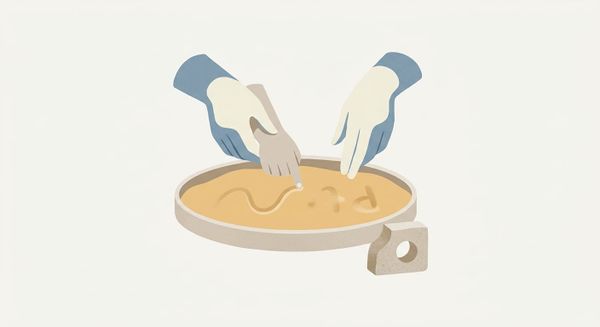
If your child keeps forgetting common words like said, was, or where, sight word practice may feel frustrating for both of you. This guide shows how to practice Orton-Gillingham sight words at home in a structured, low-stress way that helps tricky words stick.
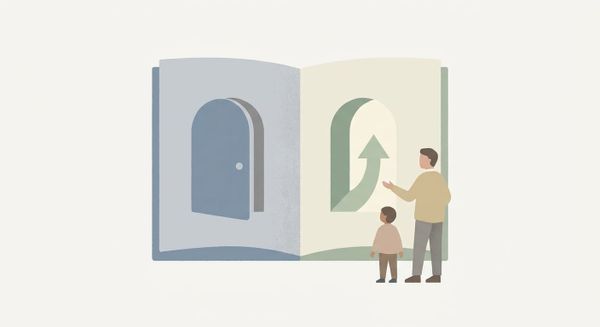
If your child can read closed syllables but gets confused by words like me, he, and baby, open syllables may be the next pattern to teach. This guide shows how to introduce them in a simple, structured way at home.

If your child has learned short vowels and silent e but keeps stumbling on patterns like ai, ee, or oa, vowel teams may be the next skill to teach. This guide shows how to introduce them in a simple, structured way at home.

If you are doing Orton-Gillingham practice at home, it can be hard to tell whether it is actually helping. This guide shows the small but meaningful signs that your child is moving in the right direction.
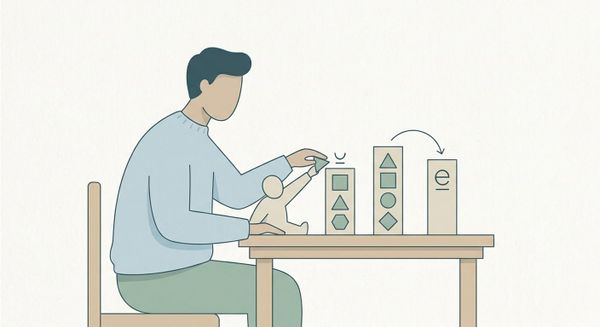
If your child can read words like cap and sit but gets stuck on cape and site, silent e may be the next pattern to teach. Here is how to introduce it in a simple, structured way at home.

If your child is getting Orton-Gillingham support but you are not sure what to do on the days in between, this guide shows simple ways to help without reteaching the lesson or causing extra stress.

If your child can say letter sounds but still struggles to read whole words, blending may be the missing step. This guide shows parents how to support sound blending in Orton-Gillingham practice at home without making reading feel overwhelming.

If your child can read short words but gets stuck when words get longer, closed syllables may be the next skill to teach. This guide shows how to introduce them in a simple, structured way at home.

If your child learns a reading pattern one week and seems to forget it the next, the issue may not be a lack of progress. It may be a need for better review. Here is how to review old skills in Orton-Gillingham at home in a simple, structured way.
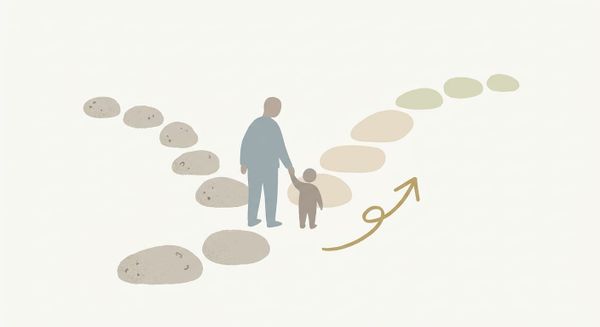
If your child is doing better with a reading pattern but still makes a few mistakes, it can be hard to know whether to keep reviewing or move on. This guide shows parents simple signs that a skill is ready for the next step.