
How to Teach Digraphs in Orton-Gillingham
If your child reads short vowel words but gets tripped up by sh, ch, th, or wh, this guide shows how to teach digraphs in Orton-Gillingham in a clear, simple way at home.

If your child reads short vowel words but gets tripped up by sh, ch, th, or wh, this guide shows how to teach digraphs in Orton-Gillingham in a clear, simple way at home.

If your child can read simple CVC words but gets stuck on words like stop, flag, and best, consonant blends may be the next skill to teach. This guide shows how to teach consonant blends in Orton-Gillingham at home in a simple, structured way.

If your child can read short vowel words but gets confused about words like miss, puff, or buzz, the floss rule may be the missing piece. This guide shows parents how to teach the floss rule in Orton-Gillingham with simple, practical routines they can use at home.
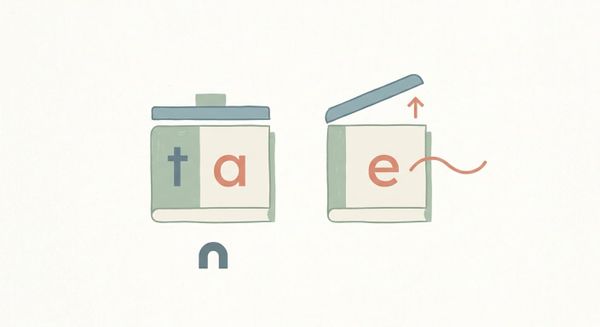
If your child can read closed syllables but gets confused by words like me, he, and baby, open syllables may be the next pattern to teach. This guide shows how to introduce them in a simple, structured way at home.

If your child can read phonics patterns in isolation but freezes during passages, decodable text may be the missing bridge. This guide shows parents how to practice decodable text in Orton-Gillingham in a simple, structured way at home.

If your child can read short vowels and magic e words but gets stuck on words like car, bird, and fork, r-controlled vowels may be the next skill to teach. This guide shows parents how to introduce them in a simple, structured way at home.
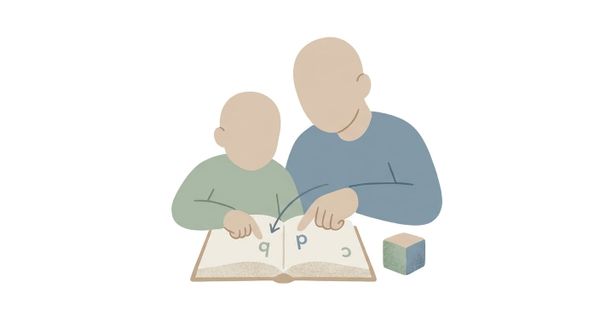
If your child makes mistakes during reading practice, it can be hard to know when to step in and what to say. This guide shows parents how to correct reading mistakes in Orton-Gillingham practice in a calm, helpful way.

If your child can read CVC words and silent e words but gets stuck on boat, team, or rain, vowel teams may be the next step. This guide shows a simple order to teach vowel teams in Orton-Gillingham so practice feels clearer and less overwhelming.

If you are using an Orton-Gillingham approach at home, one of the hardest parts is knowing what to teach first and what should come next. This guide shows a simple way to sequence skills so practice feels more clear and effective.

If you are using an Orton-Gillingham approach at home, one of the hardest parts is knowing when to keep reviewing and when to teach the next skill. This guide shows parents what readiness really looks like and how to move forward without rushing.
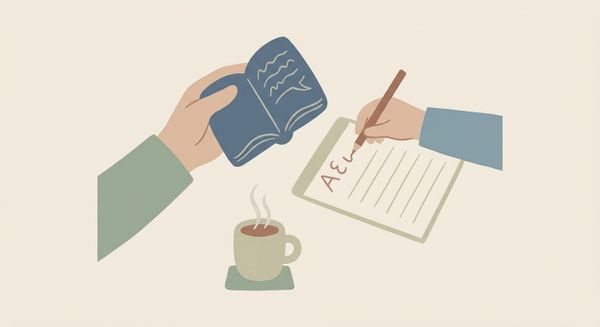
If your child can read a word one minute and misspell it the next, dictation may be the missing piece. This guide shows how to use simple Orton-Gillingham dictation at home without making practice feel heavy.
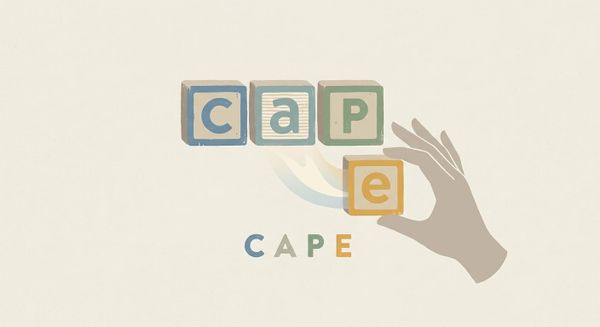
If your child can read words like cap and kit but gets stuck on cape and kite, magic e may be the next phonics pattern to teach. This guide shows how to introduce it in a simple, structured way at home.