How to Know When to Review in Orton-Gillingham
If your child knew a reading pattern yesterday but seems to forget it today, you may be wondering whether to keep going or stop and review. This guide helps parents tell when review is needed in Orton-Gillingham and how to make it useful without turning practice into overload.

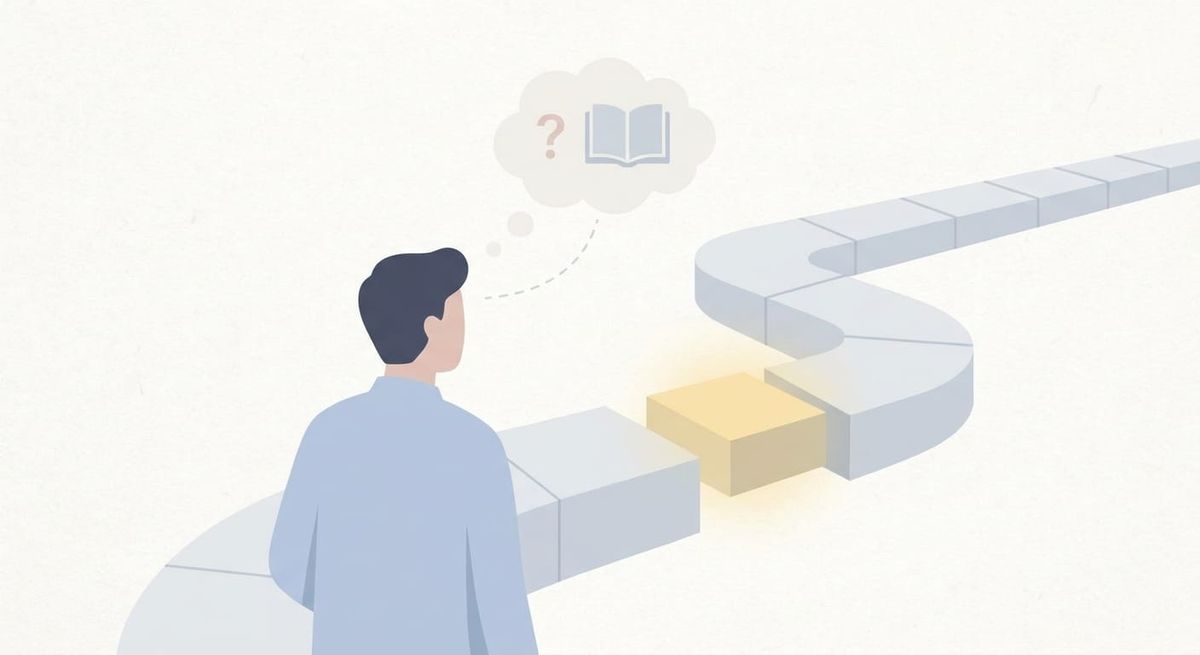
If your child read a pattern correctly last week but now stares at the same kind of word like it is brand new, you are not imagining things. This happens a lot in structured reading practice. Parents often wonder whether they should keep moving forward, go back completely, or spend a few days reviewing.
Knowing when to review in Orton-Gillingham can make practice feel much less confusing. The goal is not to repeat everything forever. It is to notice when your child needs a little more support before the next step really sticks.
What does review look like in Orton-Gillingham?
In Orton-Gillingham, review is not starting over from scratch. It is a short, purposeful return to a skill your child has already been taught but is not using securely yet.
That might look like:
- reading a few words with the same pattern
- doing a quick sound drill
- building words with tiles
- rereading a decodable passage that matches the skill
- dictating one or two words instead of a whole new list
Good review is focused. It should remind your child what they know and help them use it again with less strain.
When should you review instead of pushing ahead?
A child does not need review just because a lesson feels imperfect. But a few signs usually mean it is time to slow down.
1. Your child gets the skill right one day and loses it the next
If the pattern keeps disappearing between lessons, that usually means it needs more practice. A one-time mistake is normal. A repeated drop-off is different.
2. Your child can do drills but not real reading
Sometimes a child can read a word list with help but falls apart in connected text. That is a strong sign the skill is not solid yet. Review should include actual reading, not just isolated practice.
3. Guessing starts to replace decoding
When a child begins rushing, skipping sounds, or saying a word that only sort of matches, it often means the current load is too high. Review can lower the pressure and bring them back to accurate decoding.
4. Frustration rises fast
If your child suddenly seems tired, resistant, or overwhelmed by a skill they recently learned, review may help them feel successful again.
How much review is enough?
This is the part many parents struggle with. They worry that if they stop to review, they are slowing progress. In reality, too little review often creates more struggle later.
A good rule is to keep review short and specific.
Try:
- 5 to 10 minutes at the start of practice
- 1 or 2 previously taught patterns at a time
- a mix of reading, spelling, and quick oral practice
- the same review focus for a few days before deciding what to do next
If your child improves after a few short review sessions, you probably did not need to go all the way back. If the same skill is still falling apart, that may be a sign they need more direct reteaching.
Should review happen every lesson?
Usually, yes, at least in a small way. Review is one of the reasons Orton-Gillingham works well for many struggling readers. New learning tends to stick better when older skills stay active.
That does not mean every lesson should feel repetitive. It means each session should include a small bridge back to what your child has already learned.
You might review:
- sounds that are still shaky
- one syllable type your child confuses
- high-frequency words that need extra repetition
- a decodable passage from an earlier lesson
The key is choosing review based on what your child is actually forgetting, not reviewing everything equally.
A real-world example
Let’s say your child learned closed syllables and seemed fine reading words like cat, mop, and sun. Two days later, you introduce a new pattern, and suddenly they start guessing simple short vowel words or reading them very slowly.
That does not always mean the new lesson was a mistake. It may mean the earlier pattern was not automatic yet.
Instead of dropping the new lesson entirely, you might spend the next few sessions reviewing closed syllable words for five minutes, reading a short decodable passage with those words, and dictating two or three simple examples. If accuracy improves and the guessing drops, the review did its job.
Simple ways to make review work better at home
If review tends to turn into long, tiring practice, these small changes can help.
Keep the review narrow
Pick one skill to revisit at a time. If you review too many things at once, it becomes hard to tell what your child actually needs.
Use the easiest successful entry point
Start with something your child can do. That might be reading sounds, building one word, or rereading a familiar passage. Early success often changes the whole tone of practice.
Watch for transfer
It is not enough for your child to do the drill correctly. Check whether they can use the same skill in a word, sentence, or short passage.
Stop before fatigue takes over
Review works better when your child still has energy to think. If you wait until they are frustrated, it starts to feel like punishment instead of support.
You do not have to choose between review and progress
Many parents think review means their child is stuck. Usually, it means the child needs one more round of supported practice before moving ahead confidently. That is a normal part of learning to read, especially for children with dyslexia.
If you are trying to figure out whether your child needs a quick review or a bigger step back, you might also find this helpful: How to Know If You Should Go Back in Orton-Gillingham
A little well-timed review can prevent a lot of frustration later. It helps your child build accuracy, confidence, and stronger carryover into real reading.
If you want extra support, ReadGenie gives children structured practice with decodable text, repetition, and systematic phonics grounded in Orton-Gillingham principles and the Science of Reading. You can explore it here: App Store or Google Play.



