How to Teach Silent E in Orton-Gillingham
If your child can read words like cap and sit but gets stuck on cape and site, silent e may be the next pattern to teach. Here is how to introduce it in a simple, structured way at home.

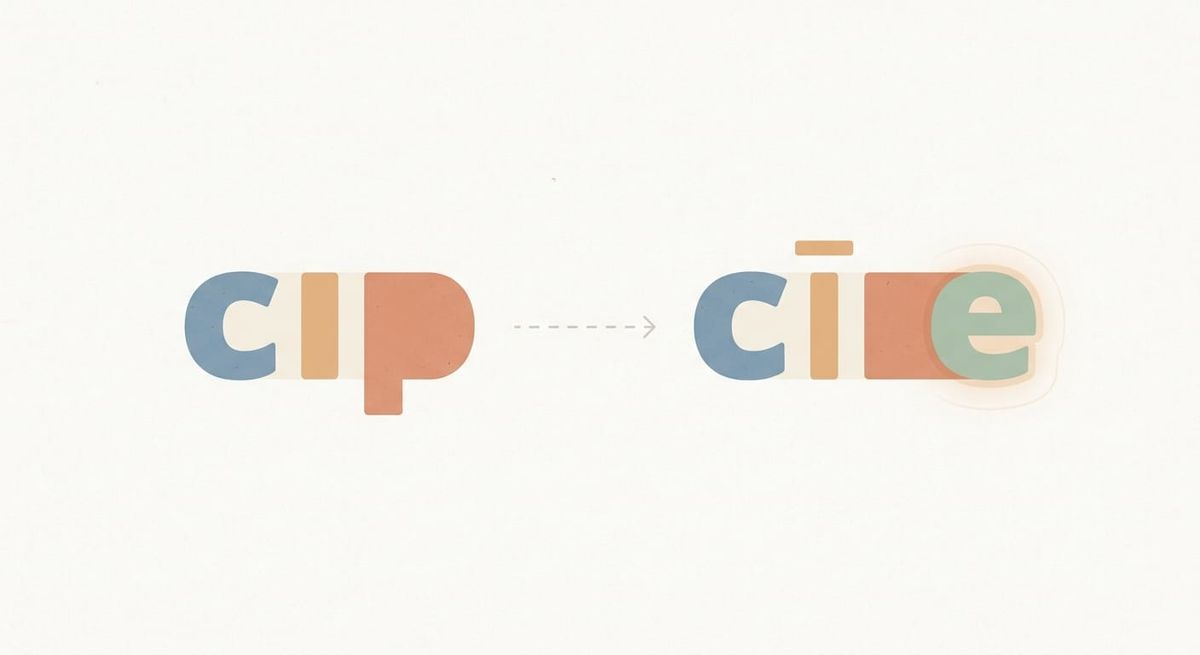
If your child can read short words like cap, kit, or hop but falls apart when the word becomes cape, kite, or hope, you are probably at the point where silent e needs to be taught directly.
This is a common moment for parents. It can look like your child suddenly forgot how to read, but often the problem is simpler than that. They have learned one pattern well, and now they need help noticing a new one.
If you want to teach silent e in Orton-Gillingham at home, the goal is not to rush through a rule. The goal is to help your child see, hear, read, and build the pattern enough times that it starts to feel predictable.
What does silent e change in a word?
In simple terms, silent e usually makes the vowel say its name. That is why cap changes to cape and hop changes to hope.
For a child with dyslexia, this shift is not always obvious. They may still sound out the word with a short vowel because that is the pattern their brain already trusts.
Start with just one idea:
- cap becomes cape
- kit becomes kite
- hop becomes hope
- tub becomes tube
Show the pair side by side. Read one, then the other. Ask, "What changed?" Most children will notice the extra e before they understand what it does. That is fine. First they notice it, then they learn its job.
When is a child ready for silent e?
A child is usually ready when they can read and spell simple CVC words with some consistency. They do not need to be perfect, but they should be able to blend short-vowel words without heavy guessing.
You may also notice signs like these:
- They read mad easily but not made
- They keep using short vowel sounds in longer words
- They can hear sounds in simple words but need help with new patterns
- CVC words feel solid, but progress has stalled
If short-vowel reading is still shaky, go back and strengthen that first. Silent e makes more sense when the earlier pattern already feels familiar.
How to teach silent e in Orton-Gillingham step by step
Keep this lesson short and concrete. Ten to fifteen minutes is enough for many children.
1. Review short-vowel words first
Start with a few words your child already knows, such as cap, sit, hop, and tub. Let them read the words, build them with tiles, or spell them aloud.
This gives them a stable starting point.
2. Add the silent e
Now change one word at a time.
- cap → cape
- sit → site
- hop → hope
- tub → tube
Say something simple like, "This e is silent, but it changes the vowel sound."
Avoid a long explanation. Your child does not need a lecture on rules. They need repeated, clear examples.
3. Read and compare word pairs
Have your child read both words in each pair.
- cap / cape
- bit / bite
- tub / tube
- not / note
Ask questions like:
- "Which word has the short vowel?"
- "Which word has silent e?"
- "What changed when we added the e?"
This comparison helps the pattern stick.
4. Build and spell the pattern
If possible, use letter tiles or write on paper. Let your child build cap, then add e to make cape. Then do the same with other pairs.
This matters because many struggling readers need to touch and move the pattern, not just look at it.
5. Practice with decodable words and sentences
Once your child can read several pairs, move into short practice with words and simple sentences such as:
- The mule ran fast.
- I hope you came home.
- Jake made a note.
Keep the reading controlled. Too many mixed patterns at once can make the lesson feel harder than it needs to be.
What if my child keeps reading the short vowel?
That is very normal at first.
A child might see made and read mad, or see Pete and read pet. This usually does not mean they are not ready. It often means the new pattern needs more contrast and more repetition.
Try this:
- Put mad and made side by side
- Have your child underline the vowel and the silent e
- Read the words slowly, then normally
- Ask them to explain the difference
You can also keep a very small practice set for a few days instead of teaching lots of new words at once.
For example, use just four word pairs all week:
- can / cane
- pin / pine
- hop / hope
- tub / tube
That smaller set often helps a child feel successful faster.
A real-world example
Maya, a fourth grader with dyslexia, could read fin, cap, and not without much trouble. But when her mom showed her fine, cape, and note, Maya kept dropping the last letter and reading the short-vowel word instead.
Instead of correcting every mistake right away, her mom started comparing word pairs. They built cap with tiles, read it, then added e and read cape. They did this with just three pairs a day for one week.
By the end of the week, Maya still needed reminders, but she had stopped guessing as often. She was starting to look all the way through the word. That is often one of the first signs the lesson is working.
Simple tips that make silent e practice easier
Here are a few realistic ways to keep practice useful at home:
- Teach one vowel pattern at a time. Do not mix silent e with vowel teams in the same lesson if the pattern is brand new.
- Use word pairs often. Comparing hop and hope is more powerful than practicing silent e words by themselves.
- Keep the lesson short. It is better to do ten calm minutes than push until your child shuts down.
- Watch for guessing. If your child says a word too quickly, slow it down and have them look at the whole word.
Build on strong CVC word reading first
Silent e is usually easier when your child already feels comfortable with simple short-vowel words.
You might also find this helpful: How to Teach CVC Words in Orton-Gillingham
Conclusion
If your child gets stuck when a simple word changes from cap to cape, that does not mean they cannot learn the pattern. It usually means the pattern needs to be taught clearly and practiced in a structured way.
When you teach silent e in Orton-Gillingham, keep it simple. Compare word pairs, build words by hand, and give your child enough repetition to notice what changed.
If you want extra structured reading practice at home, ReadGenie offers decodable, step-by-step support designed for children with dyslexia. You can explore it here: App Store or Google Play.



