How to Help a Child Segment Words in Orton-Gillingham
If your child can read some words but falls apart when asked to spell or write them, segmentation may be the missing skill. This guide shows parents how to help a child segment words in Orton-Gillingham with short, structured practice at home.

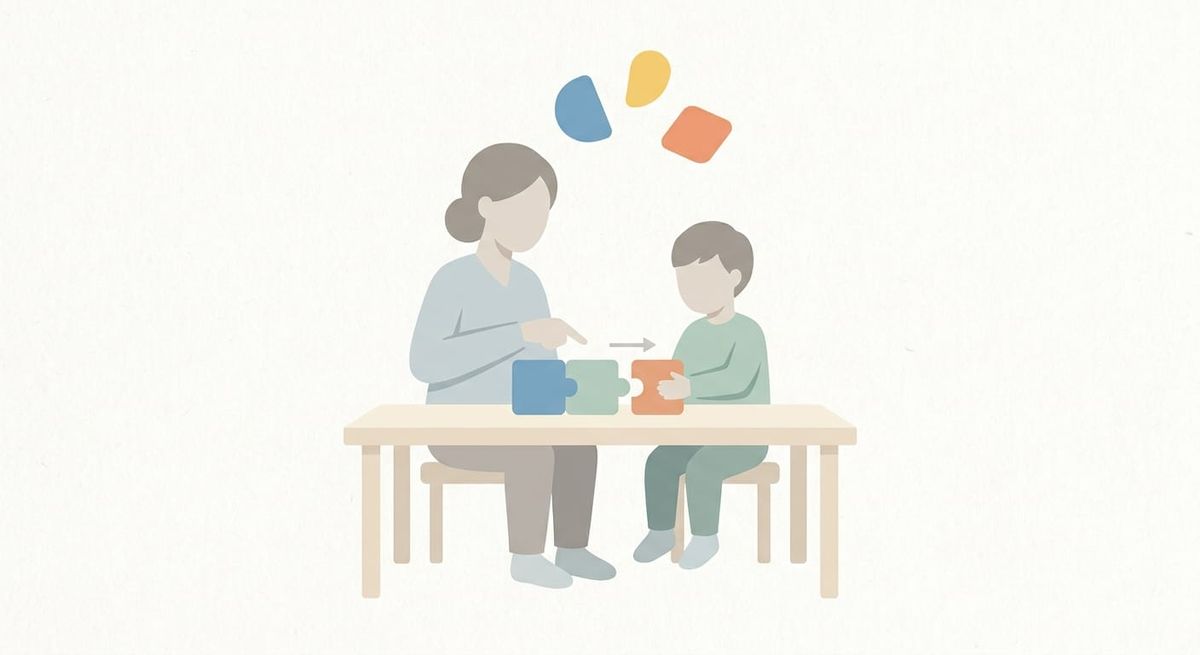
If your child can read a word out loud but cannot spell it, write it, or pull it apart into sounds, you are not imagining the gap. Many struggling readers can sometimes recognize a word in print but still have trouble hearing each sound inside it.
That is where segmentation comes in. If you are trying to help your child segment words in Orton-Gillingham, this guide will show you what the skill means, why it matters, and how to practice it at home in a calm, simple way.
What does it mean to segment words?
Segmenting means breaking a word into its individual sounds. For example:
- map → /m/ /a/ /p/
- ship → /sh/ /i/ /p/
- frog → /f/ /r/ /o/ /g/
This matters because spelling is not just remembering what a word looks like. A child needs to hear the sounds in order, match those sounds to letters, and write them down.
In Orton-Gillingham, segmentation supports spelling, dictation, and decoding. When a child learns to pull a word apart clearly, reading and writing usually start to feel less guessy.
Why do some kids struggle with segmentation?
Some children know letter sounds but still cannot separate all the sounds in a word. Others miss a sound in the middle, leave off the last sound, or get mixed up when blends and digraphs show up.
You might notice things like:
- writing tap for trap
- spelling ship as sip
- hearing jump as only three sounds instead of four
- freezing when asked, “What sounds do you hear?”
This does not mean your child is lazy or not paying attention. It usually means the listening part of reading and spelling needs more explicit practice.
How do you practice segmentation in Orton-Gillingham at home?
Keep it short and structured. You do not need a long lesson. Five to ten minutes is enough.
A simple routine looks like this:
1. Say the word
Choose one short word your child can work with, like sat, fish, or stop.
Say, “We are going to stretch the word and listen for each sound.”
2. Tap each sound
Have your child tap one finger for each sound they hear.
For ship, they would tap:
- /sh/
- /i/
- /p/
Be careful not to tap by letter. Tap by sound. sh is one sound, not two.
3. Repeat the sounds slowly
Ask your child to say each sound again in order.
You can prompt with:
- “What is the first sound?”
- “What sound do you hear in the middle?”
- “What is the last sound?”
4. Match sounds to letters
Once your child can hear the sounds, write the letters that match.
This is where segmentation starts connecting directly to spelling.
5. Read the word back
After writing it, have your child read the whole word.
That last step helps connect spelling and reading, which is a big part of Orton-Gillingham style practice.
What kinds of words should you start with?
Start easier than you think you need to. Success matters.
A good progression is:
- 2-sound words if needed: at, me, so
- 3-sound words: map, sun, fish
- 4-sound words with blends: stop, frog, jump
- words with digraphs: chat, ship, thin
If your child struggles, go back to simpler words before moving up. The goal is accurate listening, not rushing ahead.
A real-life example
Let’s say Maya can read the word slam when she sees it on a card, but when her mom asks her to spell it, she writes sam.
What happened? Maya heard the beginning and ending of the word, but she missed the /l/ sound in the blend.
Instead of just correcting the spelling, her mom slows it down.
She says, “Let’s tap the sounds in slam.”
Maya taps:
- /s/
- /l/
- /a/
- /m/
Then she says each sound, writes one sound at a time, and reads the word back.
That kind of practice helps much more than simply showing the right spelling and asking her to copy it.
What if your child keeps missing sounds?
That is common, especially with blends and middle sounds.
Try these adjustments:
Use counters or blocks
Push one block forward for each sound. This gives your child something concrete to move while listening.
Slow the word down, but do not distort it
Stretch it naturally: mmm-aaap, not in an exaggerated way that changes the sounds.
Stick with one word pattern at a time
If your child is learning short vowel words, do not mix in silent e and vowel teams yet.
Stop before frustration builds
If your child is tired, accuracy usually drops. End while it still feels manageable.
Simple things parents can try this week
- Practice 5 words a day, not 20
- Use finger tapping for every sound
- Choose words with patterns your child already knows
- Have your child say, tap, write, and read back each word
Small, consistent practice usually works better than longer sessions once or twice a week.
You do not need to make it complicated
If you want to help your child segment words in Orton-Gillingham, the biggest goal is simple: help them hear every sound in order and connect those sounds to letters.
That skill supports spelling, reading, and confidence at the same time.
You might also find this helpful: How to Blend Sounds in Orton-Gillingham
With short, structured practice, many children start to hear words more clearly and make fewer guessing mistakes.
If you want extra support at home, ReadGenie gives kids structured phonics practice with repetition and decodable reading based on Orton-Gillingham principles and the Science of Reading. You can explore it here: App Store and Google Play.



