How to Practice Decodable Text After Orton-Gillingham Lessons
If your child learns a new reading pattern in practice but falls apart when it shows up in a passage, decodable text may be the missing bridge. This guide shows parents how to use decodable text after an Orton-Gillingham lesson in a simple, low-stress way.

If your child can read a word list during practice but gets stuck the moment those same patterns show up in a sentence or short passage, you are not imagining it. This is a very common place for reading to break down.
A child may seem to know the skill in isolation, then start guessing, skipping words, or losing confidence in connected text. That is often a sign they need more supported practice applying the skill, not a sign that the lesson failed.
This is where decodable text after Orton-Gillingham lessons can help. It gives your child a chance to use the exact pattern they just learned in real reading, with fewer surprises and less overload.
Why decodable text matters after a lesson
In an Orton-Gillingham style lesson, your child usually practices a new pattern in a careful order. They might read sounds, build words, read words, and maybe read a few phrases. That work is important, but it does not always mean they are ready to handle the same skill inside full text.
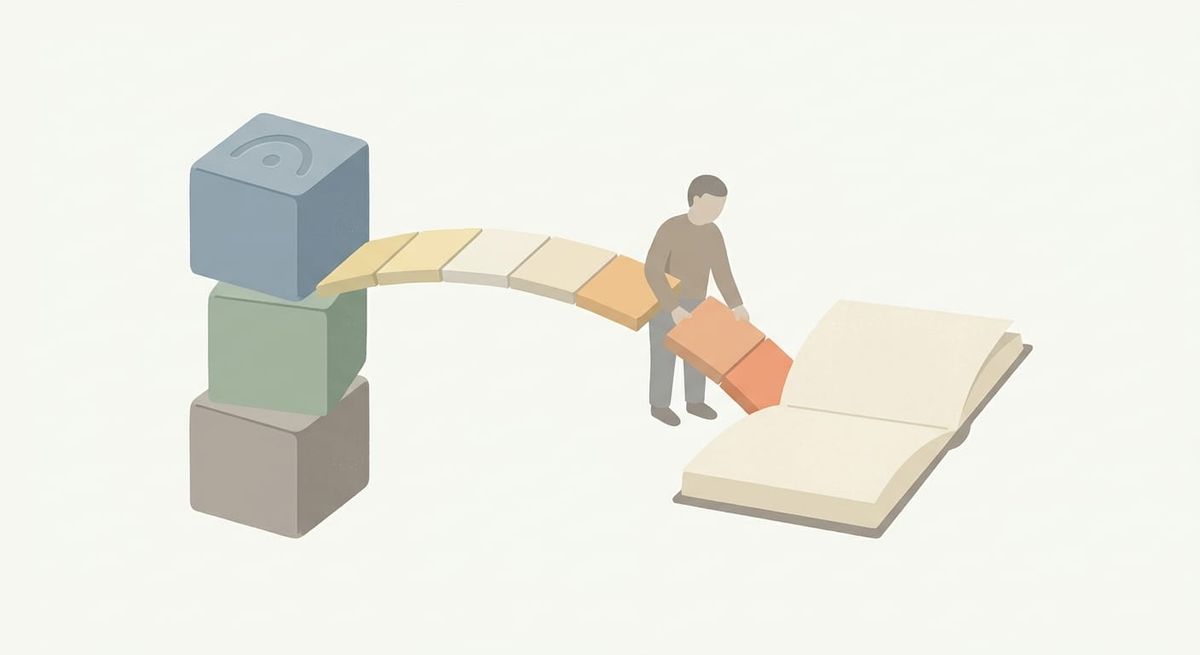
Decodable text acts like a bridge.
It lets your child:
- practice the new pattern in context
- read connected text without relying on guessing
- build fluency with words they can actually decode
- feel successful sooner
For example, if your child just learned magic e, a random early reader with words like beautiful, laugh, and people is likely to create confusion. A decodable passage with words like cake, hide, home, and cute gives them a fair chance to use what they just learned.
When should you use decodable text after an Orton-Gillingham lesson?
Usually, right after the lesson or later the same day is a good time, as long as your child is not mentally done.
You do not need to turn it into a second full lesson. Think of it as short application practice. In many cases, 5 to 10 minutes is enough.
Use decodable text after a lesson when:
- your child has just learned or reviewed a target pattern
- they can read some practice words accurately
- they need help carrying the skill into real reading
- guessing increases as soon as text gets longer
If your child is making many mistakes even in single words, go back a step first. The passage should reinforce the lesson, not introduce panic.
What makes a text truly decodable?
Not every simple-looking book is actually decodable.
A good decodable text mostly includes patterns your child has already been taught, especially the target skill from the lesson. It may include a small number of previously learned irregular words, but it should not be packed with words your child could not reasonably sound out.
When choosing decodable text after Orton-Gillingham lessons, look for:
- the target phonics pattern showing up multiple times
- mostly familiar sound-spelling patterns
- a short length
- controlled vocabulary
- only a few tricky words that need quick preview
If a passage has too many unfamiliar patterns, your child may fall back into memorizing, picture-guessing, or waiting for help.
How do you use decodable text without making reading stressful?
Keep the routine simple and predictable.
Here is a parent-friendly way to do it:
1. Preview the goal
Name the pattern your child is looking for.
You might say, “Today we are watching for silent e words,” or “Let’s find words with sh.” This helps your child read with a purpose.
2. Do a quick word scan
Before reading the whole passage, look through and highlight or list 3 to 5 target words. Read those first.
This lowers stress because your child meets key words before seeing them inside sentences.
3. Read one short section at a time
Do not hand over a full page and hope for the best. Read a sentence, line, or short paragraph at a time depending on your child’s stamina.
If they get stuck, pause and guide them back to the pattern. Try prompts like:
- “What pattern do you see?”
- “Say each sound and blend it.”
- “Try that again from the beginning.”
4. Reread for confidence
After the first read, have your child read the same short passage again. The second read is often smoother and helps the new skill stick.
A real-world example
Maya, a fourth grader, had just worked on vowel teams. In word practice, she could read rain, boat, and seed. But when her mom gave her a regular library book, Maya guessed at words and skipped lines.
The problem was not that Maya had learned nothing. The text was simply asking for too much at once.
So her mom switched to a short decodable passage focused on vowel teams. Before reading, they circled words with ai and oa. Maya read those words first, then read the passage one chunk at a time. She still needed a few reminders, but she was actually using the pattern instead of guessing.
After a few days of this, Maya started spotting vowel teams on her own. That small shift mattered. She was no longer just doing the lesson. She was transferring the skill into reading.
Simple tips parents can try at home
If you want decodable text after Orton-Gillingham lessons to feel helpful, not heavy, start here:
- Keep it short. One passage is enough.
- Match the text to the lesson. If you taught digraphs, use a passage loaded with digraphs.
- Preview tricky words. A quick heads-up can prevent shutdown.
- Stop before frustration builds. End while your child still feels successful.
Consistency matters more than length. Five calm minutes of the right kind of reading can do more than a long session that spirals.
Where does this fit in your home routine?
If you are not sure how to place passage reading into a simple home lesson, think of it as the final step after sound, word, and pattern practice.
You might also find this helpful: What Does an Orton-Gillingham Lesson Look Like at Home?
That post can help you see where decodable reading fits so practice feels more organized and less random.
Conclusion
Using decodable text after Orton-Gillingham lessons can make the difference between a skill your child practiced and a skill your child can actually use in reading.
It does not have to be complicated. Choose a passage that matches the lesson, keep practice short, and give your child enough support to feel successful. That is often the step that helps reading start to click.
If you want extra support, ReadGenie gives kids structured practice with phonics patterns, repetition, and decodable reading designed to build real progress over time. You can explore it here: [APPSTOREURL] and [GOOGLEPLAYURL].



